SIP
SIP Introduction
SIP Functionality
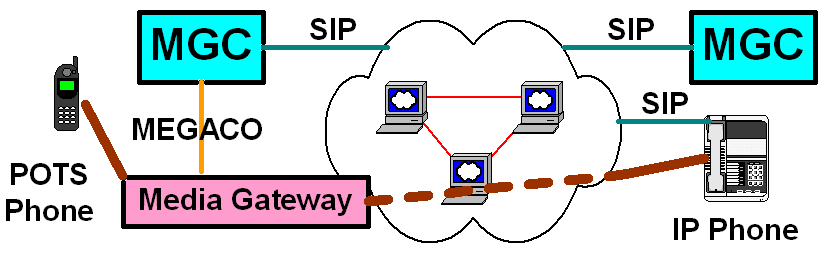
SIP Architecture
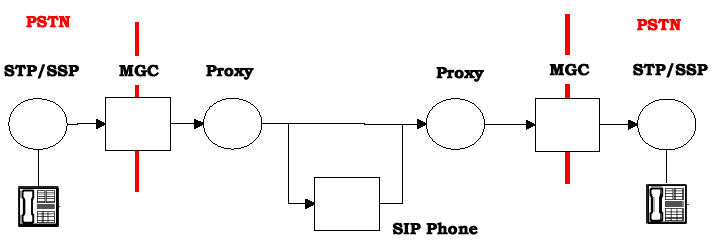
SIP and PSTN Interconnection
SIP Software Modules
SIP Methods
SIP Response
SIP Address Format
Call Set Up Procedure
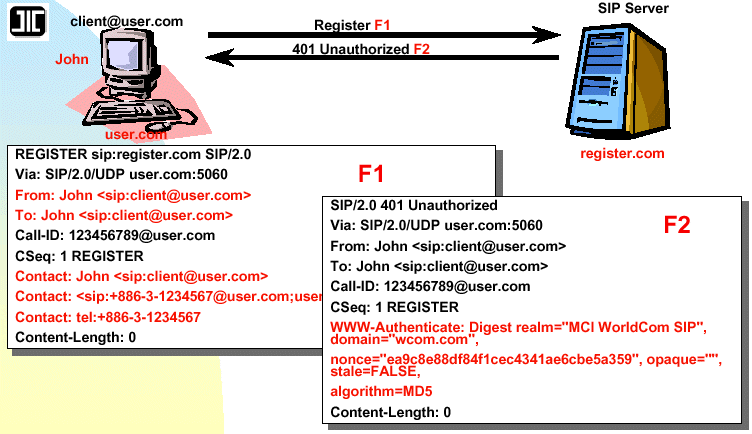
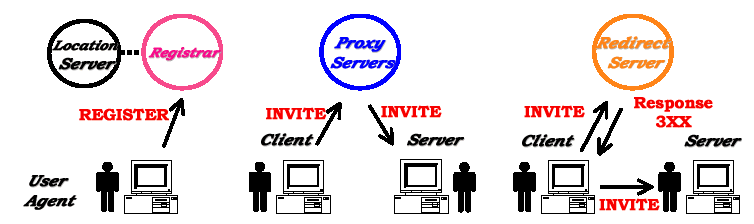
Registraction
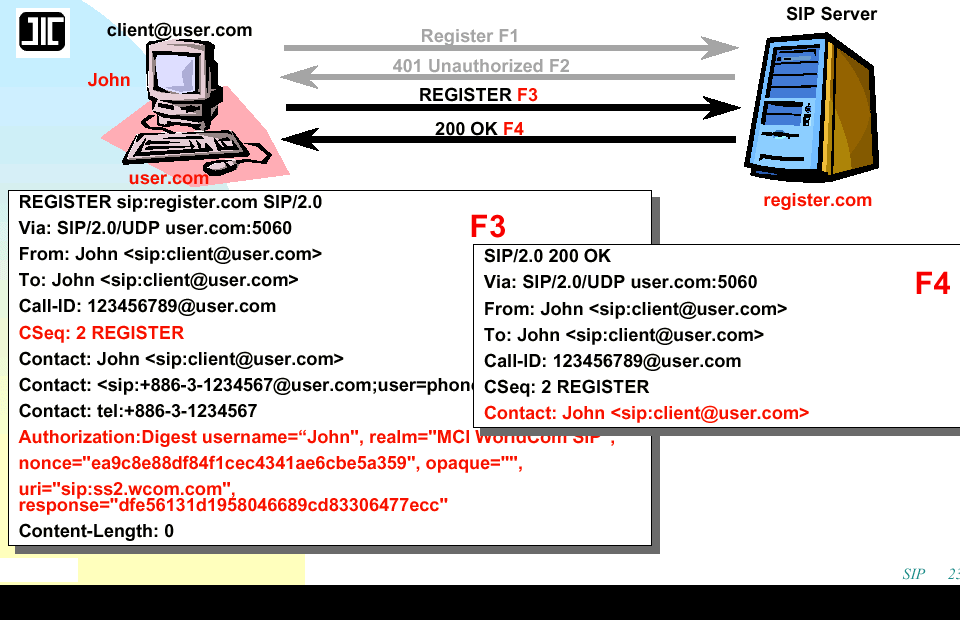
Registraction
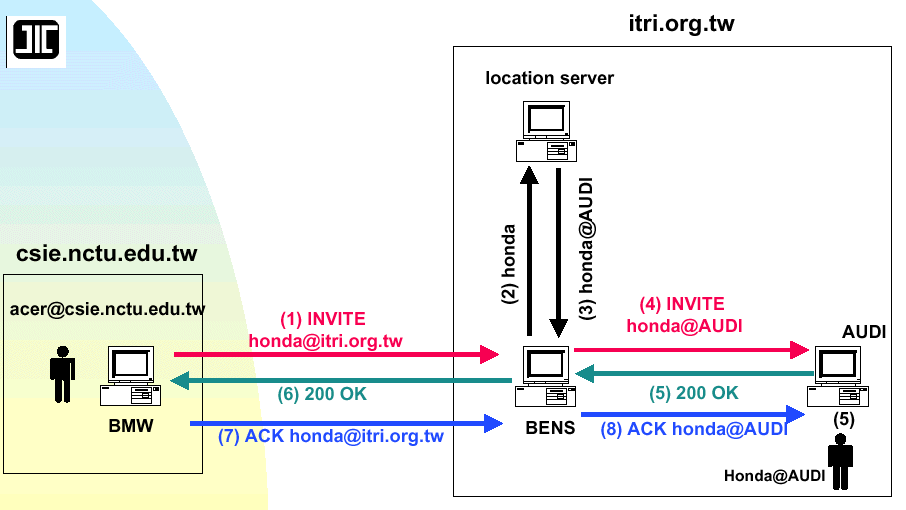
Invitation for Proxy
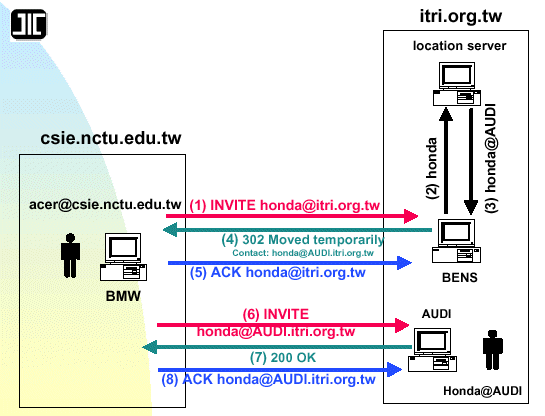
Invitation for Redirect Server
Steps
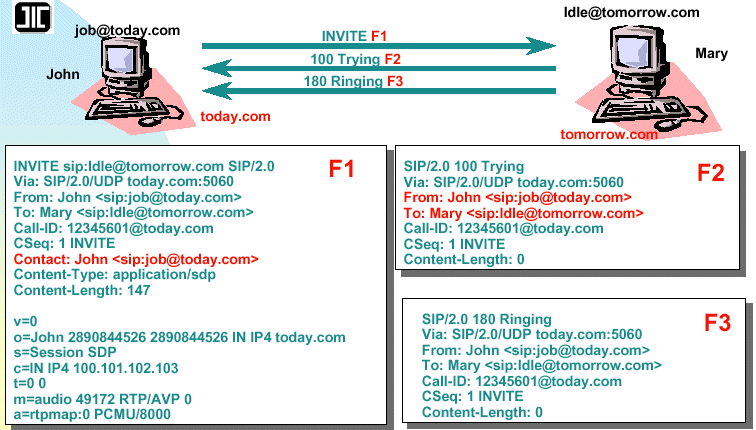
User Agent to User Agent
User Agent to User Agent
User Agent to User Agent
Call Flow (PSTN-SIP)
Call Flow (PSTN-SIP)
Invite Method
SIP Architecture
SIP Architecture
| SIP Introduction |
|---|
|
SIP (Session Initiation Protocol)
|
|
IETF RFC2543
|
|
特別為 Internet VoIP 設計的協定
|
|
應用層(application layer)的協定
|
|
優點及特色
|
|
與IETF協定整合
|
|
Scalability and simplicity.
|
|
行動性(Mobility)
|
|
容易新增特性與服務
|
|
Text Based Messages, easy to maintain
|
| SIP Functionality |
|---|
| User location | determination of the end system to be
used for communication
| User capabilities
| determination of the media and
media parameters to be used
| User availability
| determination of the willingness
of the called party to engage in communications
| Call setup
| “ringing”, establishment of call
parameters at both called and calling party
| Call handling
| including transfer and termination of
calls
| |
|---|
| SIP Architecture |
|---|

| SIP and PSTN Interconnection |
|---|
| SIP Software Modules |
|---|
|
SIP 網路上有許多 Server 提供 Location, Rediction, 等服務。
|
| Proxy Server |
| Location Server
|
被SIP redirect或proxy伺服器使用,
詢問被呼叫party的可能位置
| Redirect Server
|
| Registrar Server
|
| |
|---|
|
在 User 端,有兩個 User Agent 為使用者服務
|
| User Agent Client | 撥電話 (Originating)
| User Agent Server
| 接電話 (Terminating)
| |
|---|
| SIP Methods |
|---|
| INVITE | Initiates a call by inviting user to
participate in session.
| ACK
| Confirms that the client has received a final
response to an INVITE request.
| BYE
| Indicates termination of the call.
| CANCEL
| Cancels a pending request.
| REGISTER
| Registers the user agent.
| OPTIONS
| Used to query the capabilities of a
server.
| INFO
| Used to carry out-of-bound information, such
as DTMF digits
| |
|---|
| SIP Response |
|---|
| 1xx | Informational Messages.
| 2xx
| Successful Responses.
| 3xx
| Redirection Responses.
| 4xx
| Request Failure Responses.
| 5xx
| Server Failure Responses.
| 6xx
| Global Failures Responses
| |
|---|
| SIP Address Format |
|---|
|
Address Format
|
user@host |
|---|
|
Examples
|
| Call Set Up Procedure |
|---|
| 1. | Registering, initiating and locating the user.
| 2.
| Determine the media to use – involves delivering a
description of the session that the user is invited
to.
| 3.
| Determine the willingness of the called party to
communicate – the called party must send a response
message to indicate willingness to communicate –
accept or reject.
| 4.
| Call setup.
| 5.
| Call modification or handling – example, call
transfer (optional).
| 6.
| Call Termination
| |
|---|
| Registraction |
|---|
| Registraction |
|---|
| Invitation for Proxy |
|---|
| Invitation for Redirect Server |
|---|
| Steps |
|---|
| User Agent to User Agent |
|---|
| User Agent to User Agent |
|---|
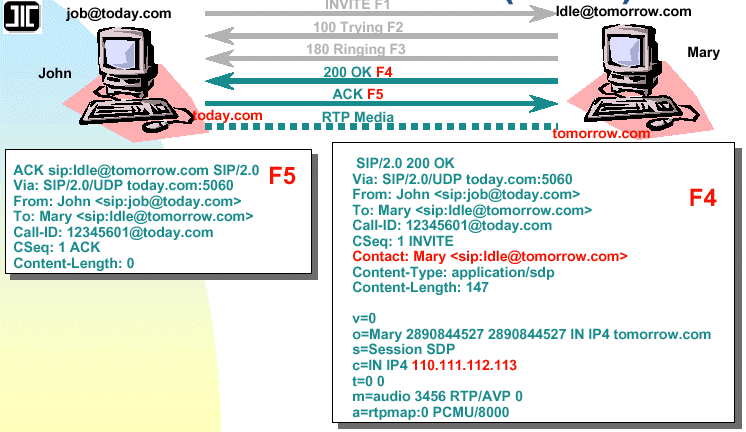
| User Agent to User Agent |
|---|
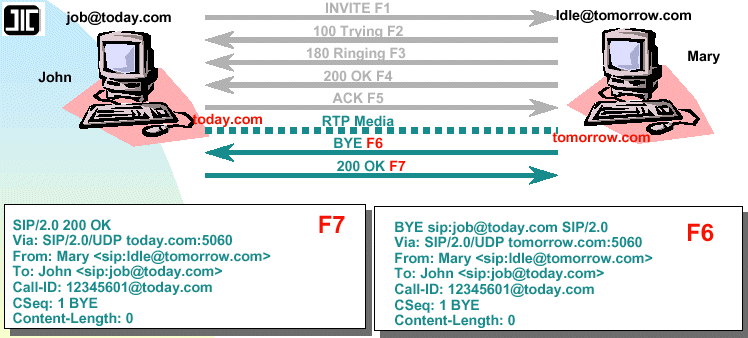
| Call Flow (PSTN-SIP) |
|---|
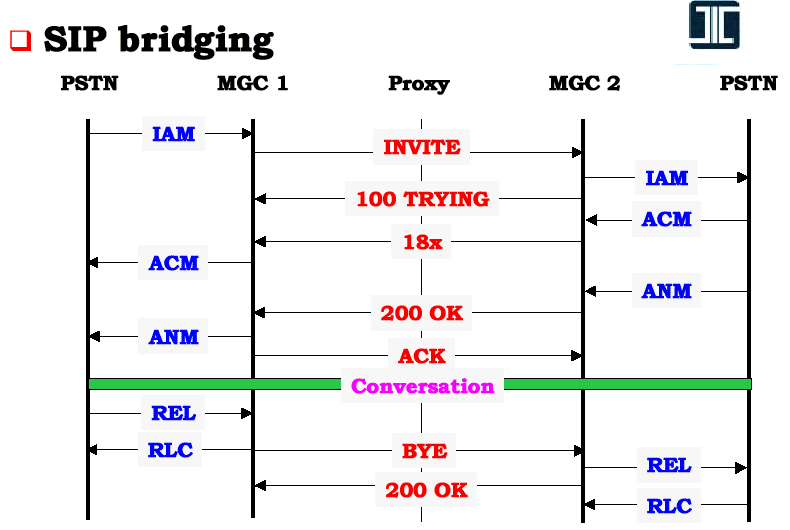
| Call Flow (PSTN-SIP) |
|---|
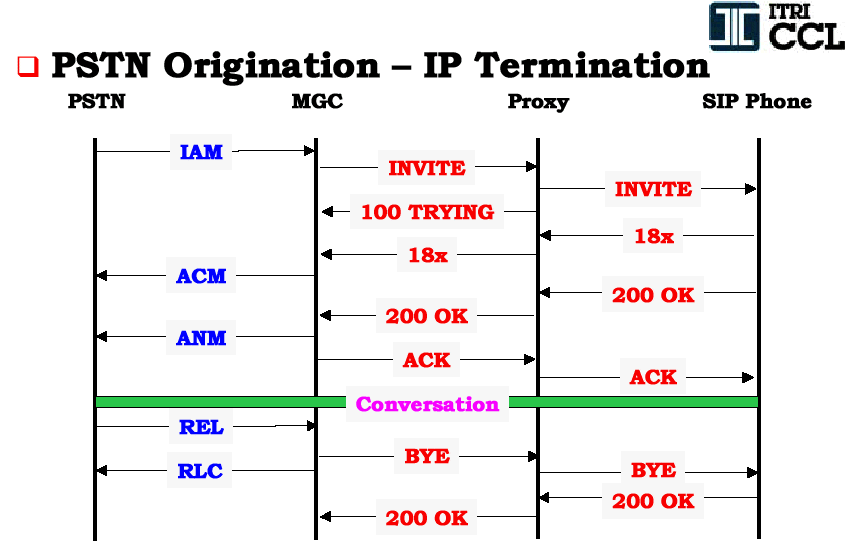
| Invite Method |
|---|

| SIP Architecture |
|---|
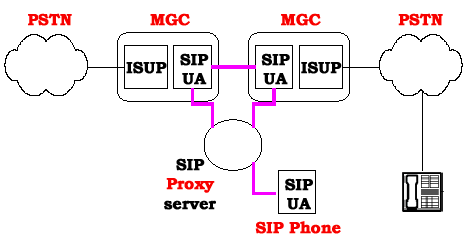
| SIP Architecture |
|---|