2,415 dead, 11,306 injured, 110,00 houses destroyed or severely damaged
SiChuan/China Earthquake
05/12/2008 (4/8)
7.9 Richter Scale
69,227 dead, 374,176 injured, 18,222 missing.
Hurricane Katrina
08/23/2005
Category 3 Hurricane
> 1,836 dead
L'Aquila, Italy Earthquake
04/06/2009 (3/11)
6.3 Richter Scale
> 150 dead, 1,500 injured and 50,000 without shelter.
88 Flood,Taiwan
08/08/2009
> 2500 mm Rainfall in 2 days triggered by Typhoon Morakot
> 475 dead
Port-au-Prince/Haiti Earthquake
01/13/2010 (11/29)
7.0 Richter Scale
>300,000 Dead, 3 millions affected
Chile Earthquake
02/27/2010 (1/14)
8.8 Richter Scale
>800 Dead
QingHai, China Earthquake
04/14/2010 (3/1)
7.1 Richter Scale
>1706 Dead, 12,128 injured, 256 missing.
Christchurch, New Zealand Earthquake
02/22/2011 (1/20)
6.3 Richter Scale
145 killed, hundreds injured and missing
Japan Earthquake+Tsunami
03/11/2011 (2/7)
9.0 Richter Scale
16079 killed, 3499 missing, 2611 injured Induced tsunami and nuclear power plane crisis
Turkey Earthquake
10/23/2011 (9/27)
7.3 Richter Scale
???
U.S Hurricane Sandy
10/29/2012 (9/15)
Category 1-2 Hurricane
124 death, 50 billion U.S. dollars loss
Sistan and Baluchestan, Iran Earthquake
4/16/2013 (3/7)
7.8 Richter Scale
Dead:35 Injured:117
Lushan, China Earthquake
4/20/2013 (3/11)
7.0 Richter Scale
Dead:213 Injured:11,460
Lamjung, Nepal
4/25/2015
7.8 Richter Scale
Dead:> 4000 Injured:??
Tue Dec 1 00:43:45 CST 2015
Untitled Document
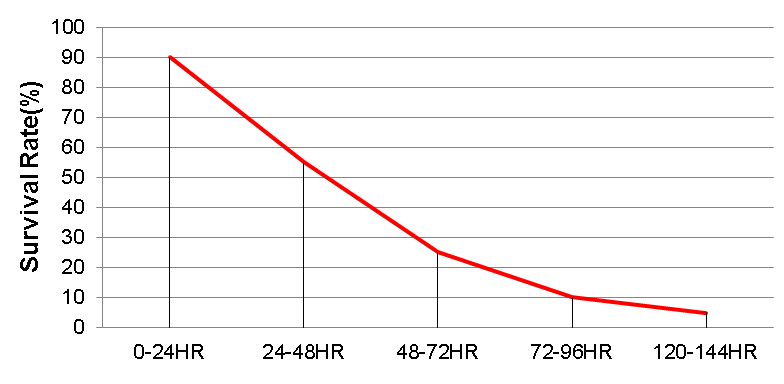
Rescue Tasks in a Disastrous Earthquake
Golden 72 Hours Best time to save trapped victims
Critical Disaster Response Operations (DRO)
Rescue trapped and wounded victims within Golden 72 Hours
Relief operations for lifesaving
All life support utilities may be destroyed by a natural disaster
Challenges to collect and distribute relief resources, such as water, food, clothes, medical material, etc.
Vulnerables: infants, sick people, elders. handicapped, etc.
Tue Dec 1 00:43:45 CST 2015
Untitled Document
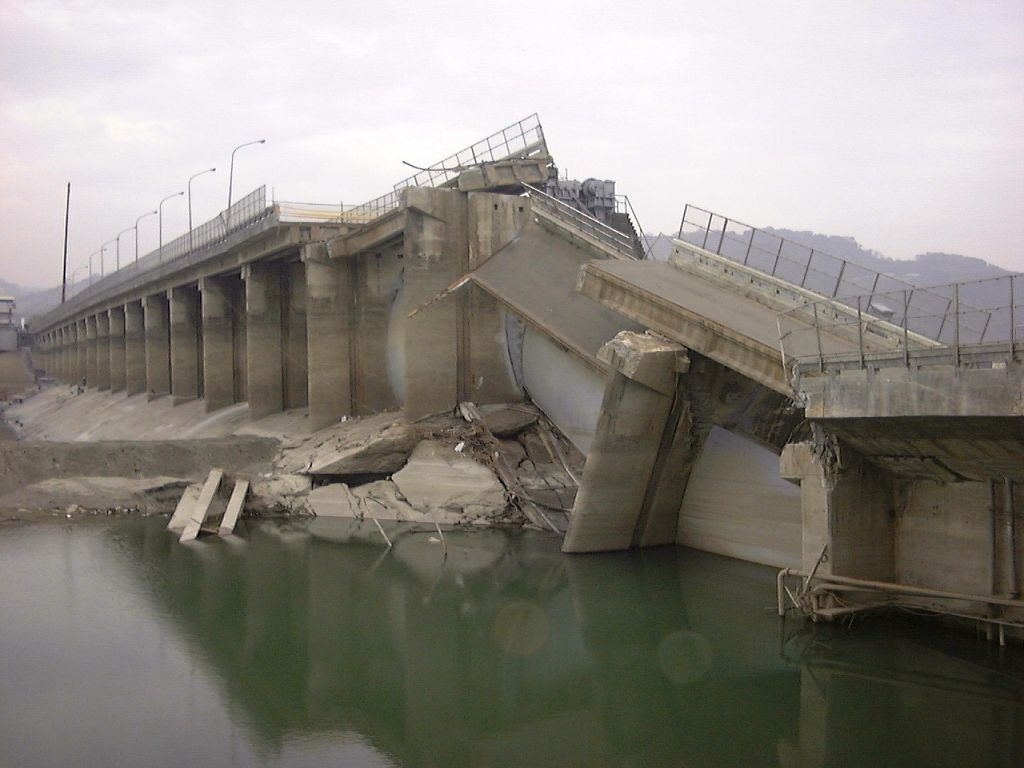
ShiGang Dam in Chi-Chi Earthquake
ShiGang Dam is a major water reservoir for the stricken area
Tue Dec 1 00:43:45 CST 2015
Untitled Document
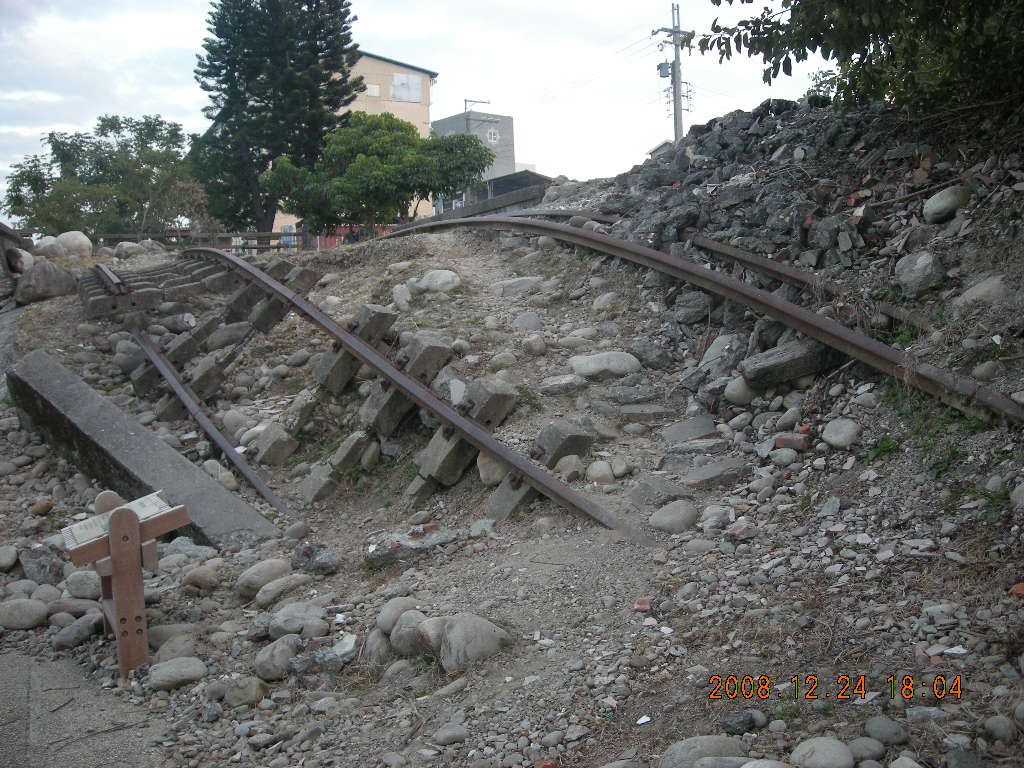
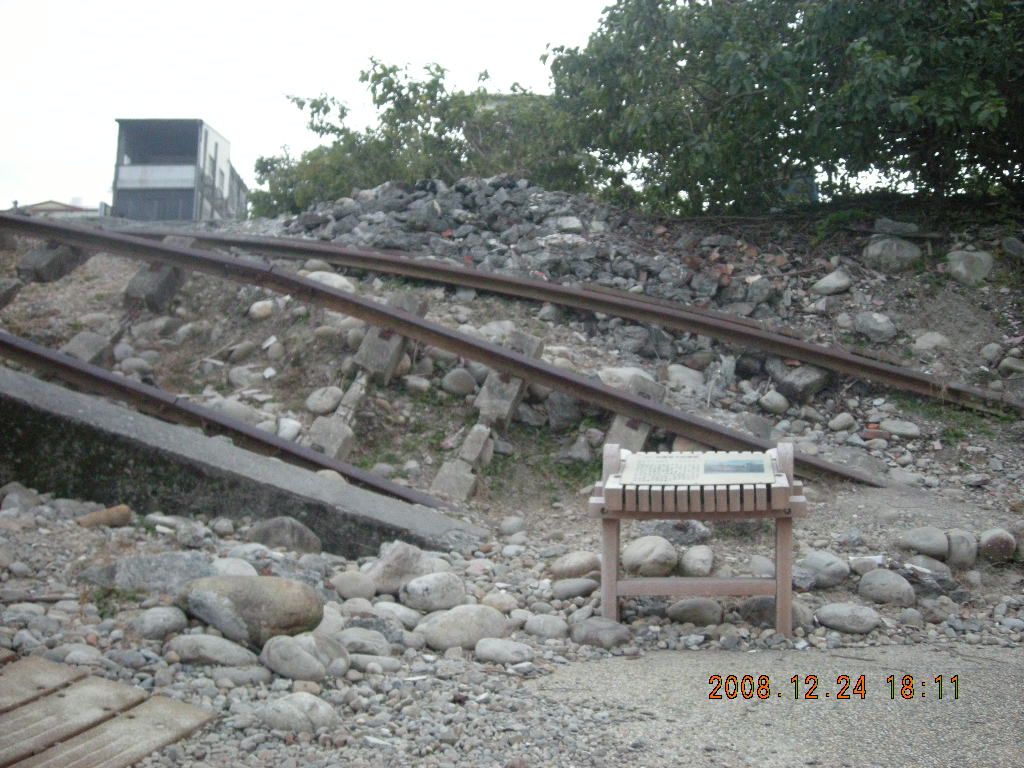
Twisted Railway In Chi-Chi Earthquake
Tue Dec 1 00:43:46 CST 2015
Untitled Document
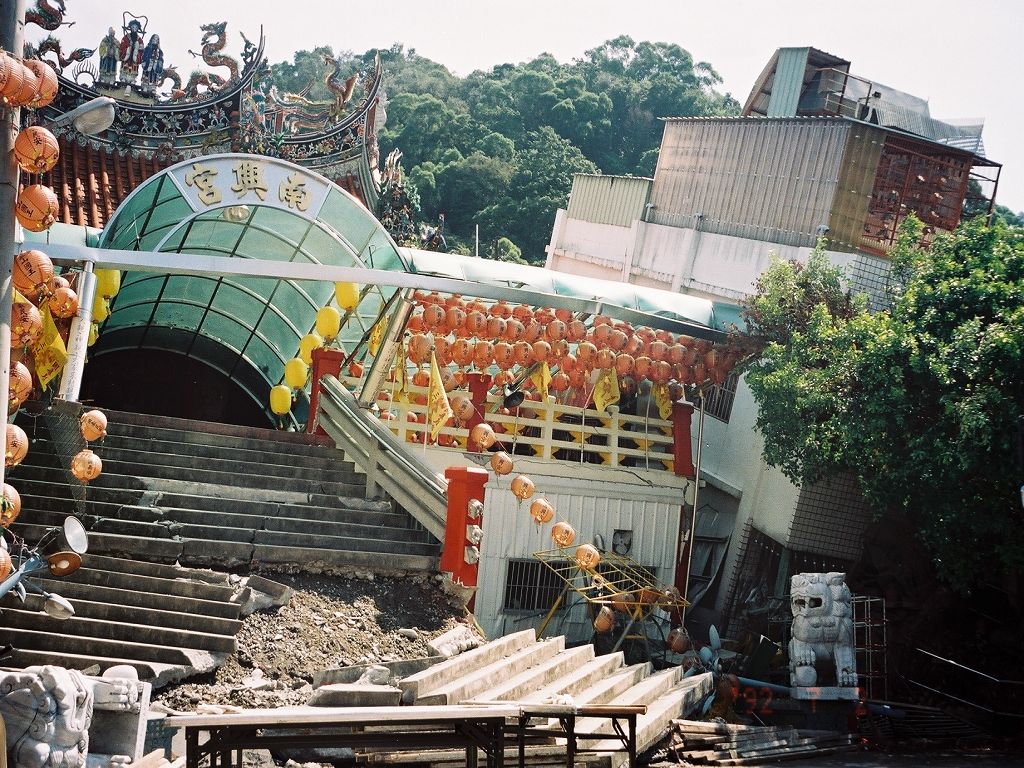
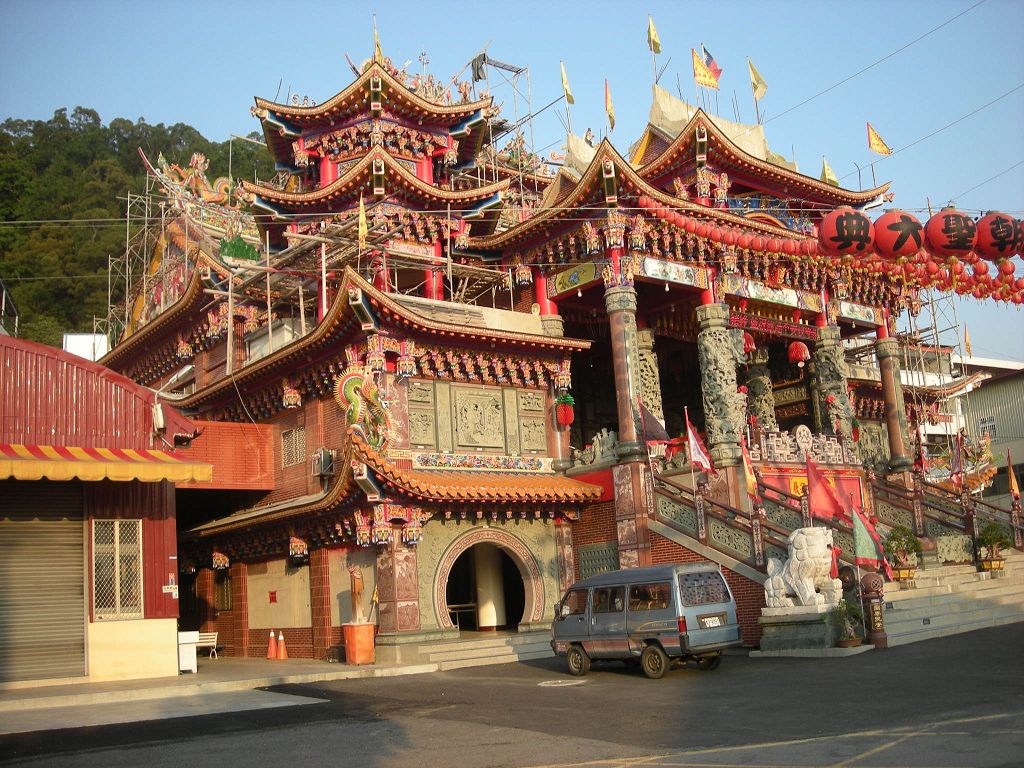
Crashed Temple in Chi-Chi Earthquake
Year of 1999
Year of 2008
Tue Dec 1 00:43:46 CST 2015
Untitled Document
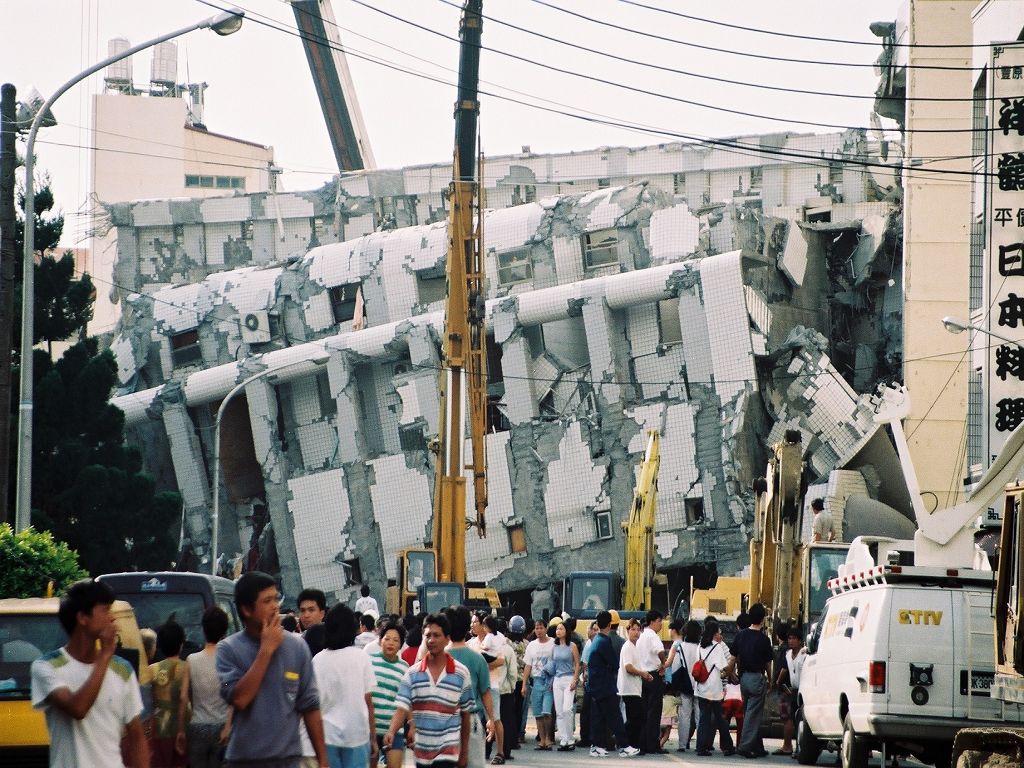
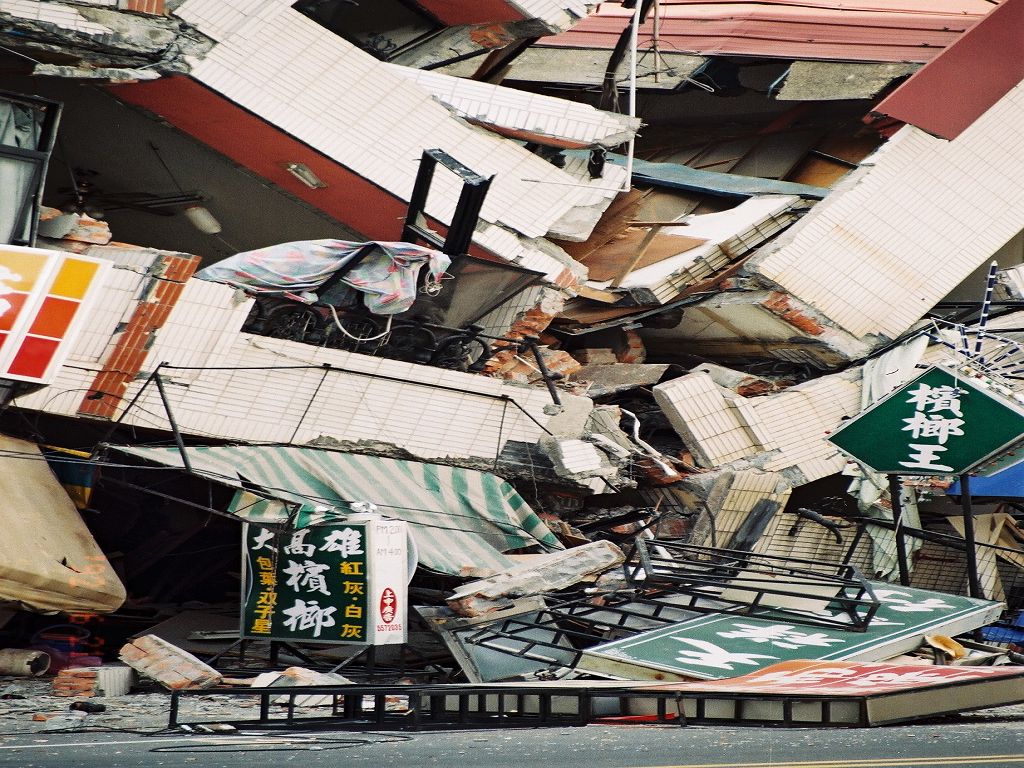
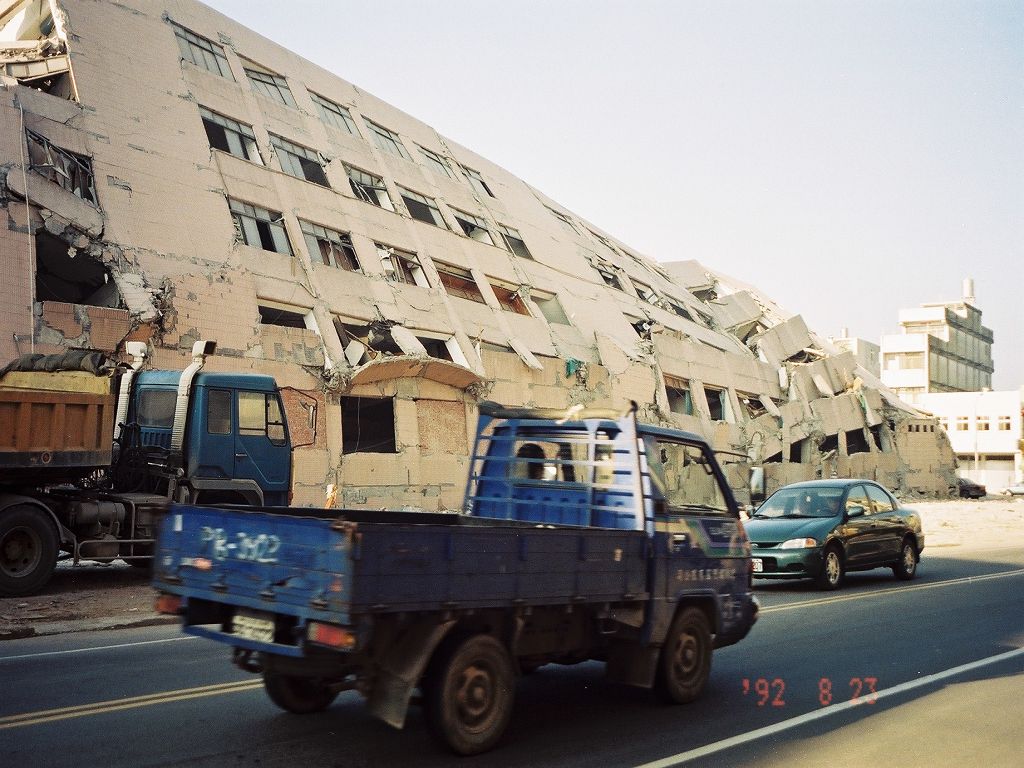
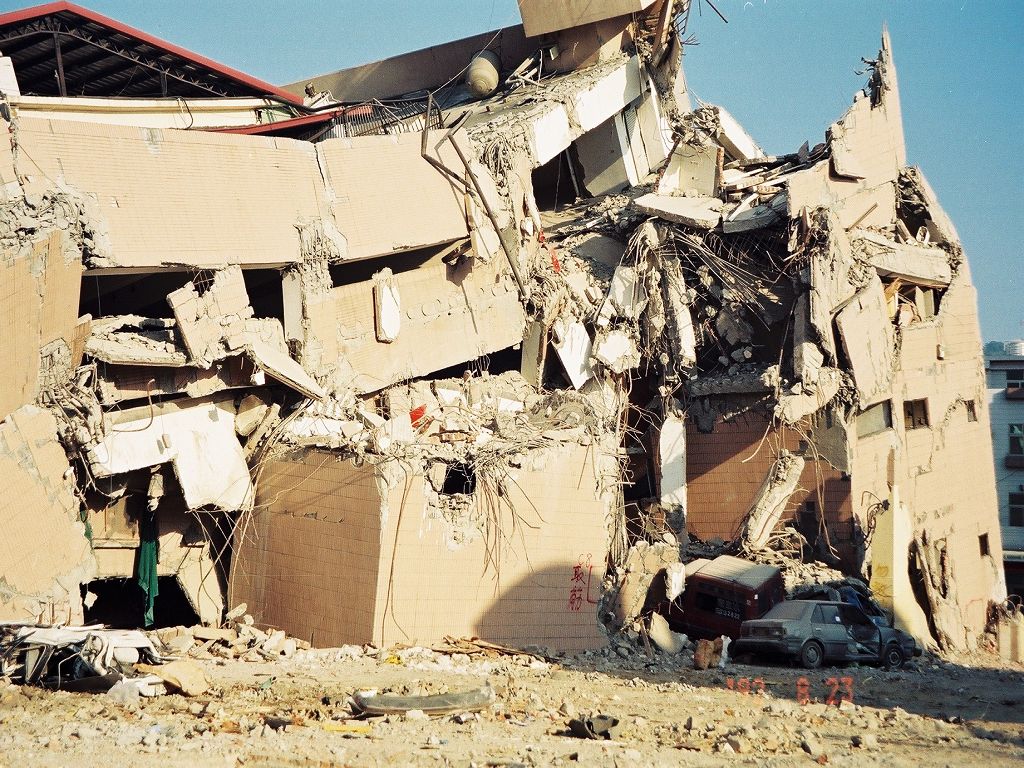
Photos of Chi-Chi Earthquake
Tue Dec 1 00:43:46 CST 2015
Untitled Document
Haiti Earthquake
Occurred on Jan. 13, 2010, > 230,000 dead
Entire government and social infrastructure were paralyzed
All utilities such as running water, electricity,
communications, food, and medical supplies were all
knocked out
Port-au-Prince Airport couldn't supply fuel for
airplanes to take off
Most roads were destroyed such that DRO resources
and equipments were extremely difficult to deliver
to the stricken zones.
Haitian people had to help themselves without any
effective coordination.
Internet was lucky to survive the quake because
most ISPs relied on satellite for their external connections.
Tue Dec 1 00:43:46 CST 2015
Untitled Document
Lesson Learned from Chi-Chi and Haiti Earthquake
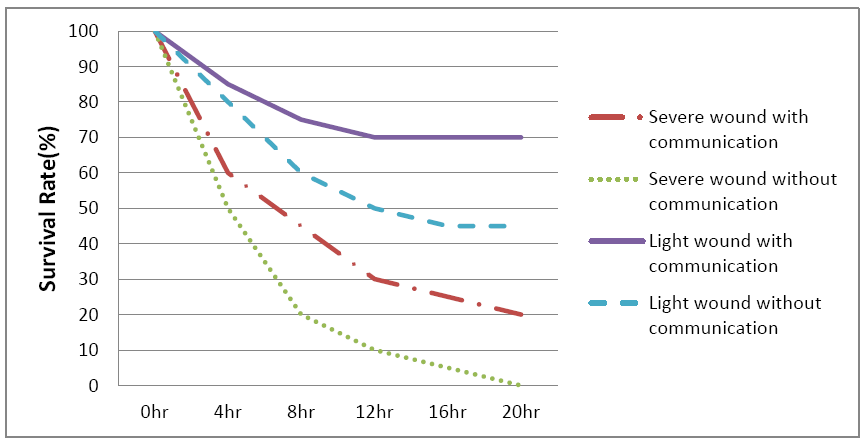
Communication systems are critical in disaster response operations
But, they are not dependable, including cellular networks
Any emergency communication system proposal must consider:
Large number of disorganized volunteers and victims
Transportation system may be paralyzed
In Golden 72 Hours, external aids may not be available
Tue Dec 1 00:43:46 CST 2015
Untitled Document
Lessons Learned in Chi-Chi Earthquake
Communication Systems were mostly down or jammed
=> Big impact to Disaster Response Operation
Chunghwa Telecom took 15 days of 7/24 operation to restore its systems
A large number of LOCAL volunteers must be mobilized to execute DRO
Difficult to coordinate large number of voluntary disaster responders
Tue Dec 1 00:43:46 CST 2015
Untitled Document
Lessons Learned in Chi-Chi Earthquake
Some rescue and relief resources were misplaced
Assessment of disaster distribution was blind and inaccurate
Reallocation of misplaced resources may not be possible
due to paralyzed transportation systems.
Misplacement of rescue and relief resources may
lead to catastrophic consequence.
Resource Examples
Gopher Squad
Medical teams
Large Crane
Rescue Dog
Sound detector
Infrared Detector
Power Cutter
Oxygen
Tue Dec 1 00:43:46 CST 2015
Untitled Document
Lessons Learned in Chi-Chi Earthquake
Rescue efforts interfere with each others
Sound Detection operations were interfered by sirens
Streets were blocked by the collapsed buildings
Disaster Responders were divided into two isolated groups
One group was doing sound-sensitive operation
(e.g. using a high sensitive sound detector to detect any
human sound under debris),
the group on the other side was using heavy machinery to
dig the rubbles.
Tue Dec 1 00:43:46 CST 2015
Untitled Document
Lessons Learned in Chi-Chi Earthquake
Rescued victims died on the way being transferred from hospital
to hospital
Victim Arrangement System (ambulance) couldn't follow up changing
status of hospital capacities.
Major medical demands - emergency surgery
Hospital capacity miscalculated
Dynamic changing hospital capacity
Tue Dec 1 00:43:46 CST 2015
Untitled Document
Cellular Networks Were Vulnerable
Base stations disruption
88 Flood (Taiwan) 3302 BS down
Hurricane Sandy (US) 25% BS in 14 states down
0p
0
Major Causes
Power outage (UPS can last for only 1-4 hour)
Backhaul link broken
Example: 88 Flood
more than 70% were caused by power outage or backhaul link broken
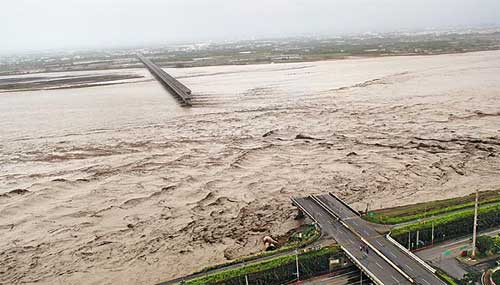
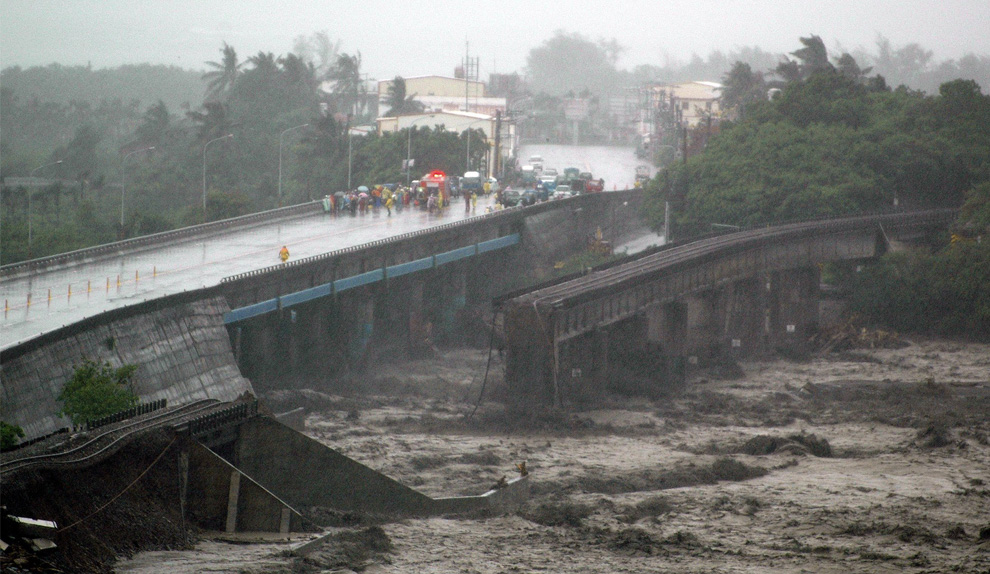
real cause - broken bridges and country roads
Tue Dec 1 00:43:46 CST 2015
Untitled Document
Cellular Network Were Vulnerable
Equipments (e.g. switches) crushed due to power outage
External power outage
Backup power generators down because of fuel exhausted
Equipments (e.g. switches) down due to cooling system failure
Running water outage
Water towers fallen
Cooling pipelines broken
Voice traffic jammed
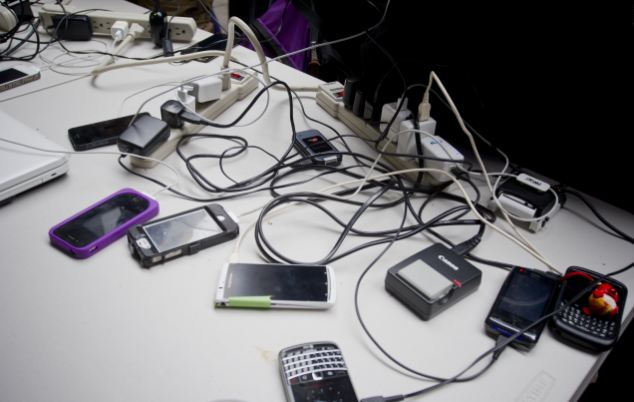
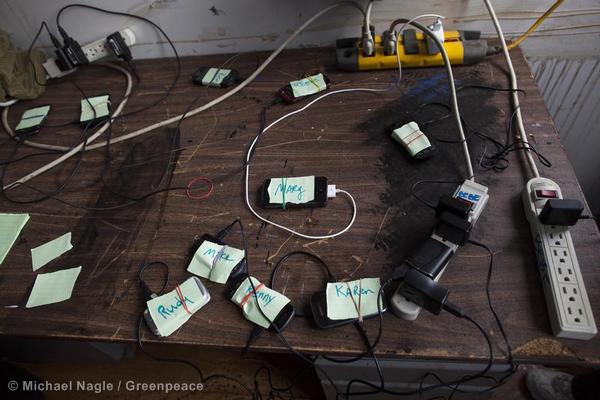
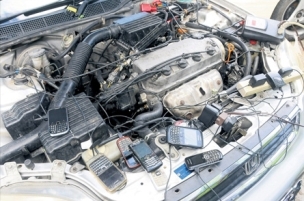
Cell phone out of power and chargers not available
Tue Dec 1 00:43:46 CST 2015
Untitled Document
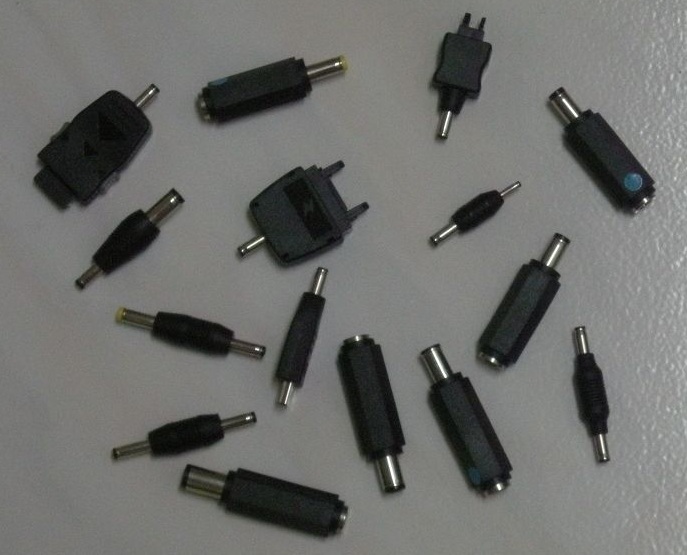
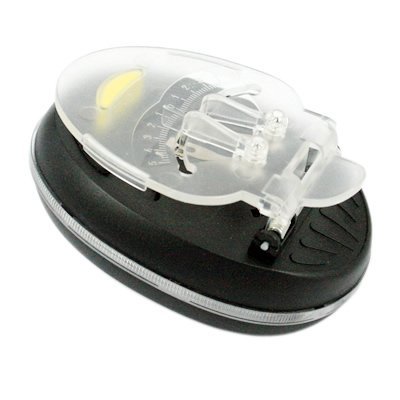
Charger Problem
Incompatible battery chargers
Universal Charger
Taiwanese NCC enforced miniUSB charge port for all cell phones in 2011
Tue Dec 1 00:43:47 CST 2015
Untitled Document
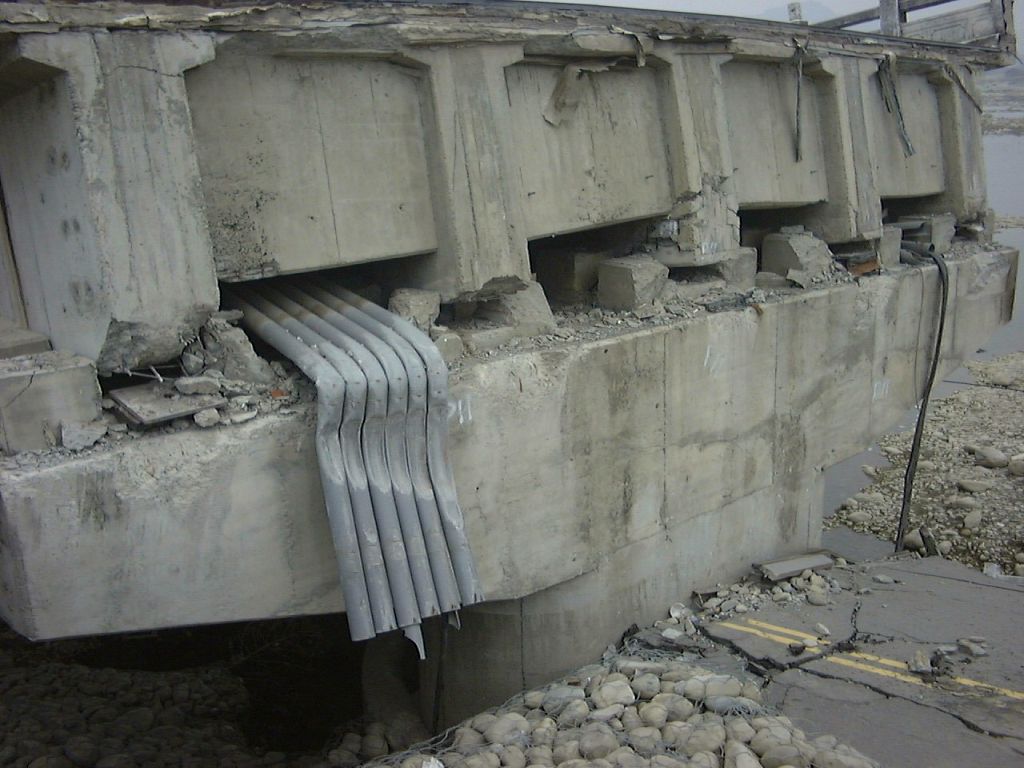
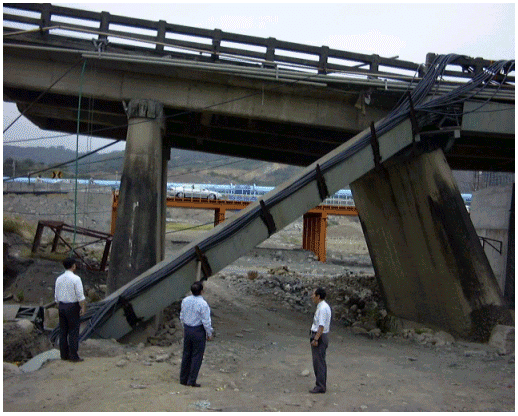
Broken Trunk Lines
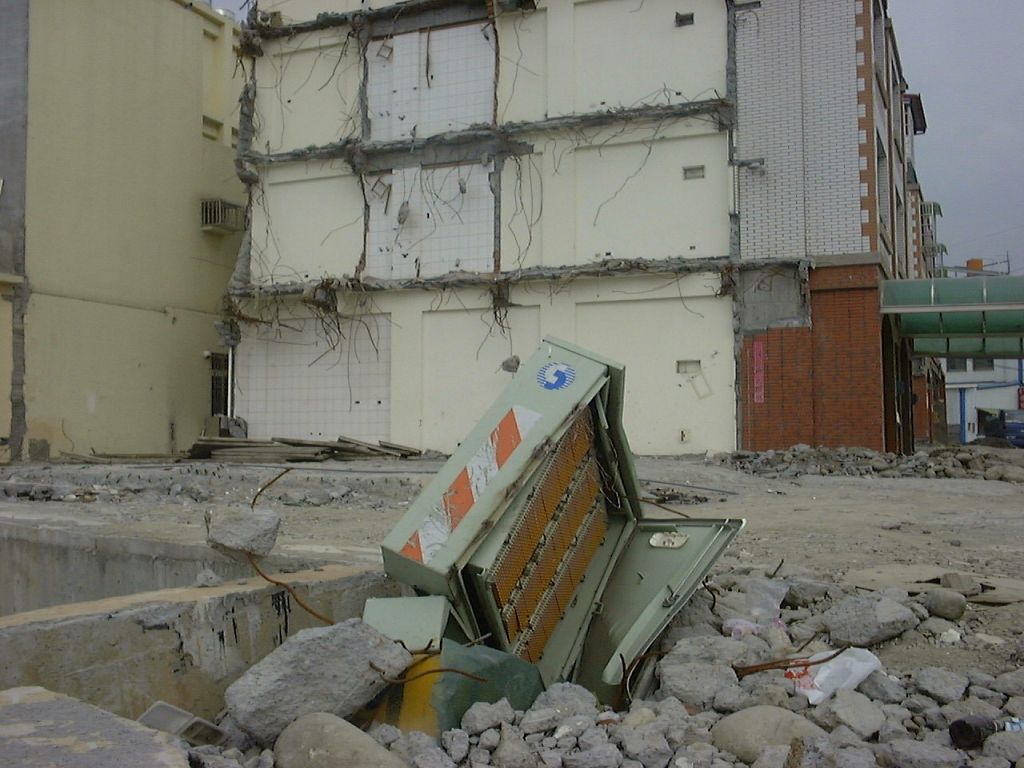
Broken trunk lines and power lines in Chi-Chi Earthquake
Tue Dec 1 00:43:47 CST 2015
Untitled Document
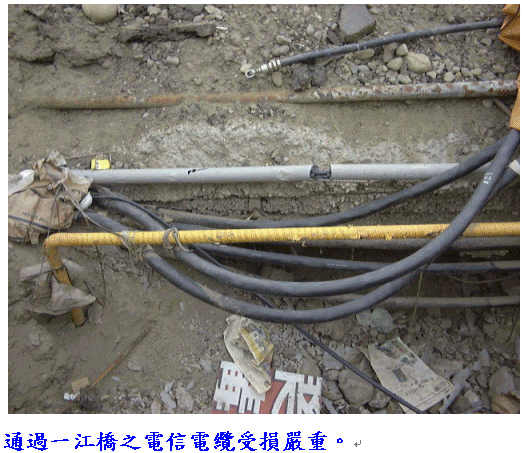
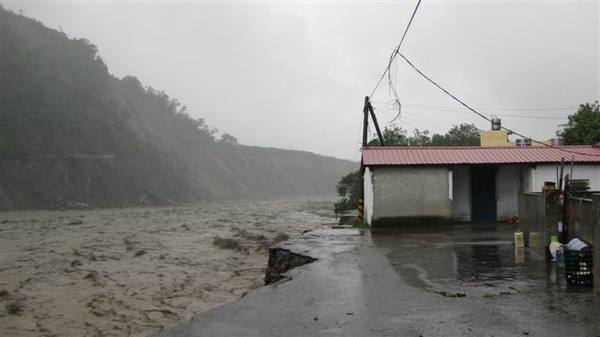
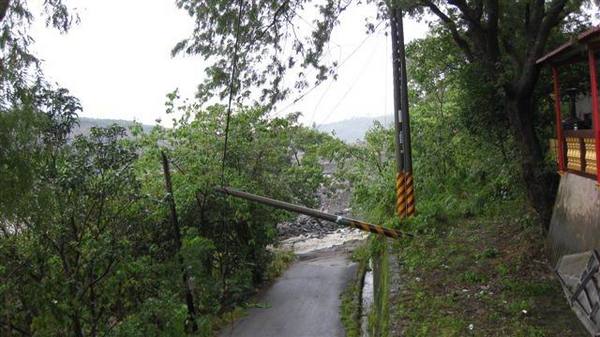
88 Flood (8/8/2009, Taiwan)
Broken trunk lines and power lines in 88 Flood (Taiwan)
Tue Dec 1 00:43:47 CST 2015
Untitled Document
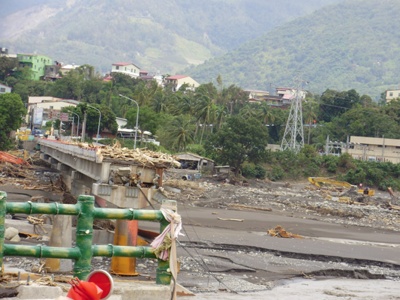
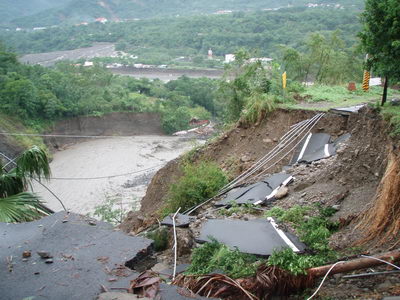
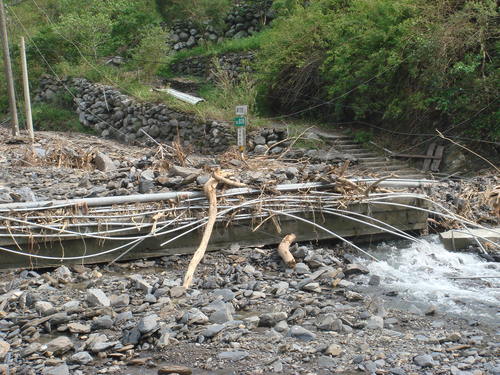
88 Flood (8/8/2009, Taiwan)
Broken trunk lines and power lines in 88 Flood (Taiwan)
Tue Dec 1 00:43:47 CST 2015
Untitled Document
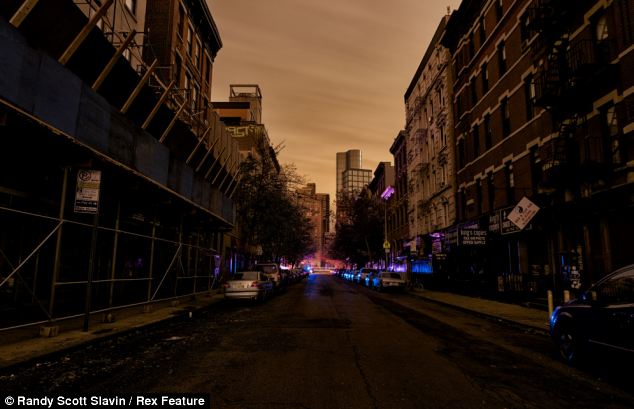
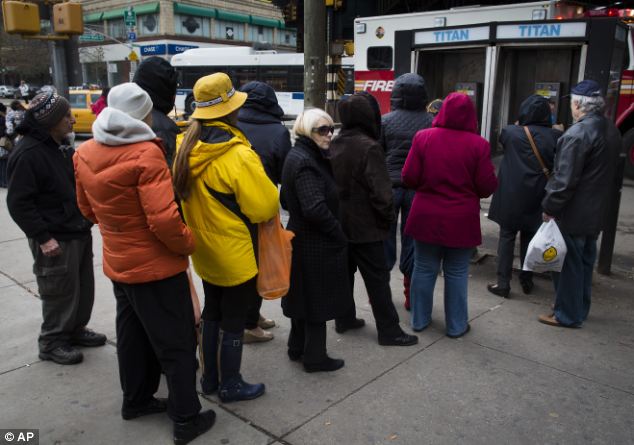
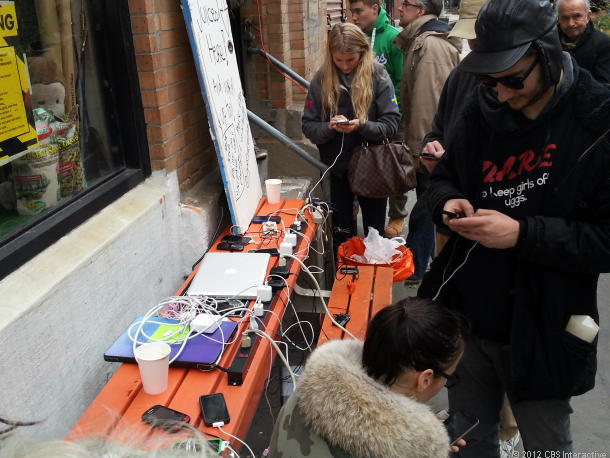
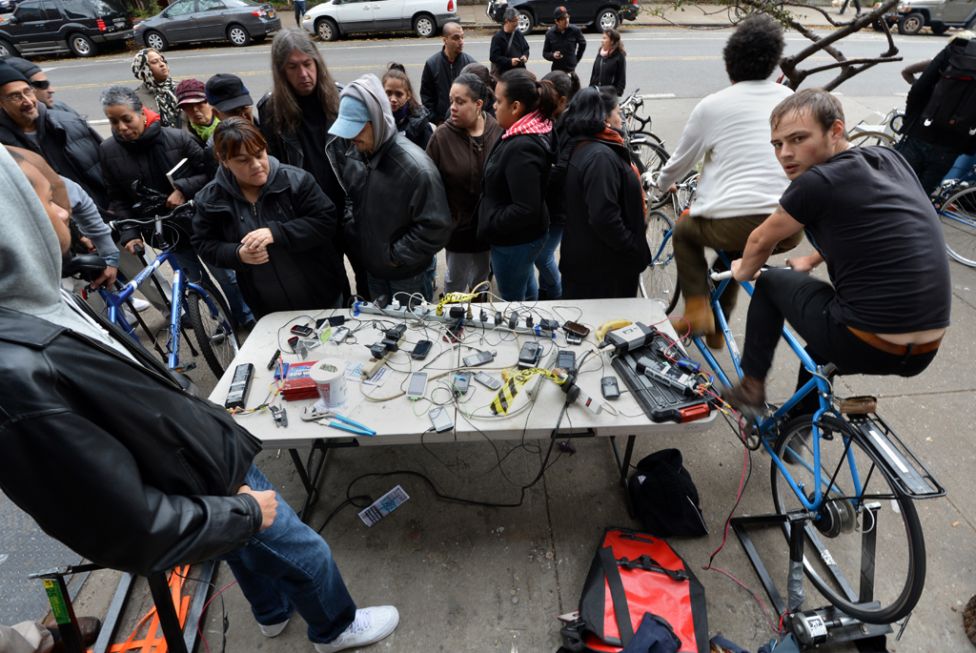
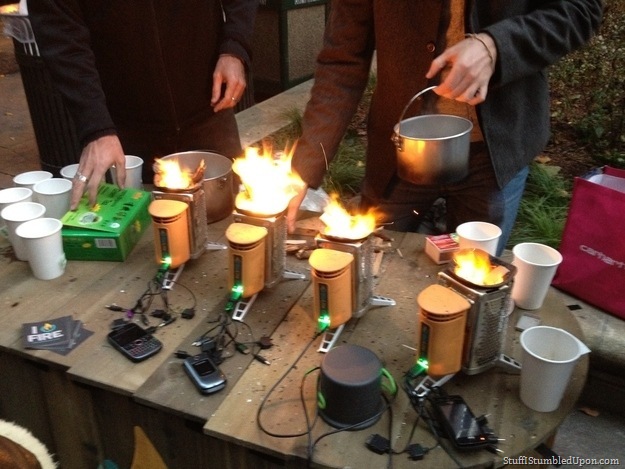
Hurricane Sandy (U.S. Oct. 2012)
Blackout in downtown Manhattan
FCC: 1/4 of cellular transmitters knocked out
Hundreds of thousands of New Yorkers without power and cannot charge devices
Fire powered cell phone chargers in New York City
Tue Dec 1 00:43:47 CST 2015
Untitled Document
Cellular Network Were Vulnerable
Need a MIRACLE for a cellular mobile system to survive even for a robust system with 99.999% reliability.
Dual redundancy would not be helpful
A survived cellular communication system provides not too much help either.
Voluntary disaster responders may not know each other and may not have time to remember a large number of phone numbers.
Tue Dec 1 00:43:47 CST 2015
Untitled Document
Slow Cellular Network Recovery
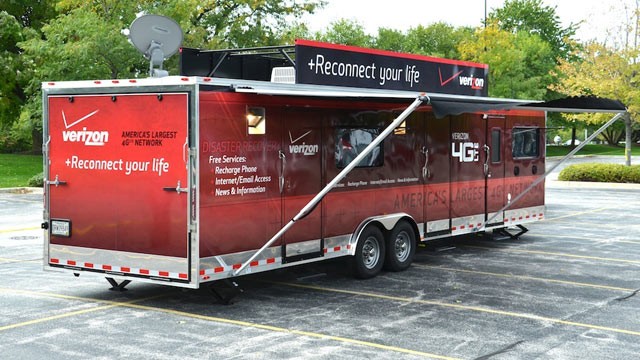
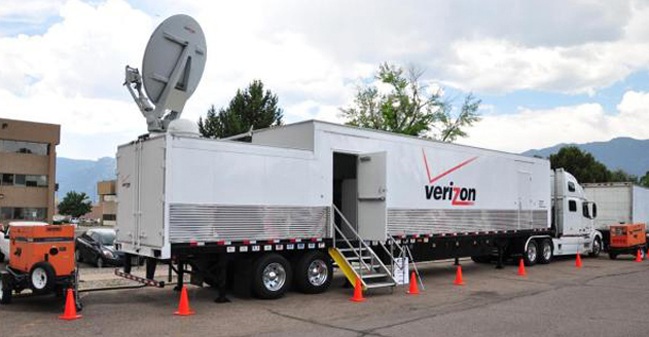
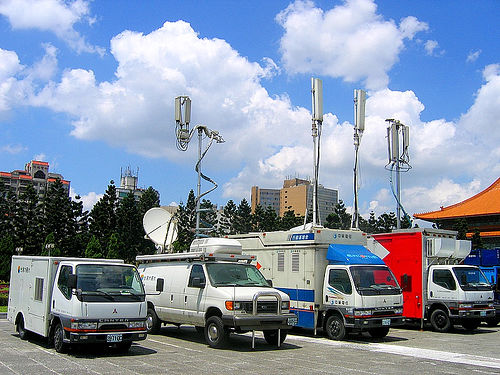
Use a few Cell-on-Wheel (Base Station on a Truck) to help, but
Roads may be destroyed
Operator's Recovery Agenda are usually not designed for Golden 72 Hours
Recovery for large number of venture generatable customers
Full function Recovery vs Band-Aid Style Recovery
Recovery Cost vs Recovery Speed
Tue Dec 1 00:43:47 CST 2015
Untitled Document
Grand Challenges
Requirement Analysis - Environmental Constraints
Large number of disorganized non-professional volunteers and victims
Transportation system paralyzed
Time is ruunning out!
Hectic/Chaotic usage environment
Very limited deployment funding ( little commercial incentive )
Tue Dec 1 00:43:47 CST 2015
Untitled Document
System Requirements - Seven Ability
Popularity
Sufficient number of terminals
User friendly
Usability
Task oriend communication services
Adequate quality of service
Long standing time of terminals
Mobility
Practicability
Low development cost
Easy acquisition of equipments
Quick and easy deployment
Capacity
Sufficient number of concurrency users
Resist burst of call requests
Sustainability
Reliability
Fast recovery
Adaptability
Self-adjustment
Operability
OAM functions
Tue Dec 1 00:43:47 CST 2015
Untitled Document
Evaluation Metrics
Per User Cost
Deployment Difficulty
Transportation Demand
Terminal Popularity
Terminal Usability
Terminal Mobility
Conversational Quality
Operability
Tue Dec 1 00:43:47 CST 2015
Untitled Document
Existing Technology Options
Existing Technology Options
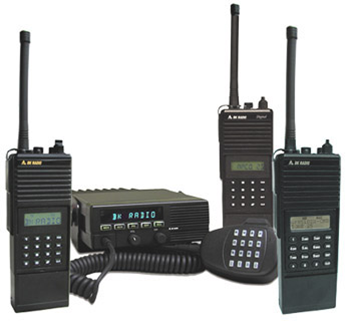
Walkie-Talkie
Amateur Radio
Trunking Radio
Cell-On-Wheel
Satellite Mobile Phone
MANET
Tue Dec 1 00:43:48 CST 2015
Untitled Document
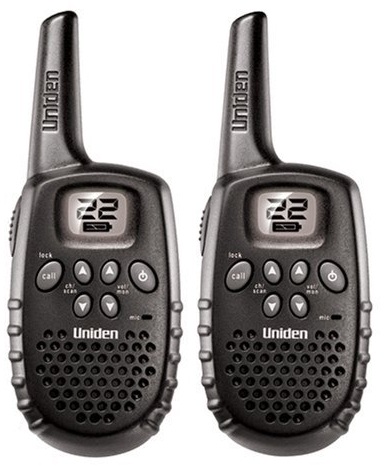
Technology Options - Walkie-Talkie
Most convenient and reliable
No infrastructure needed
$20 (U.S) for a pair
Can be airdropped
Low popularity
In 88 Flood, 3302 base stations disrupted services, it took
Taiwanese government:
7 day to collect 240 units
14 day to collect 1052 units
Too late and too few
Tue Dec 1 00:43:48 CST 2015
Untitled Document
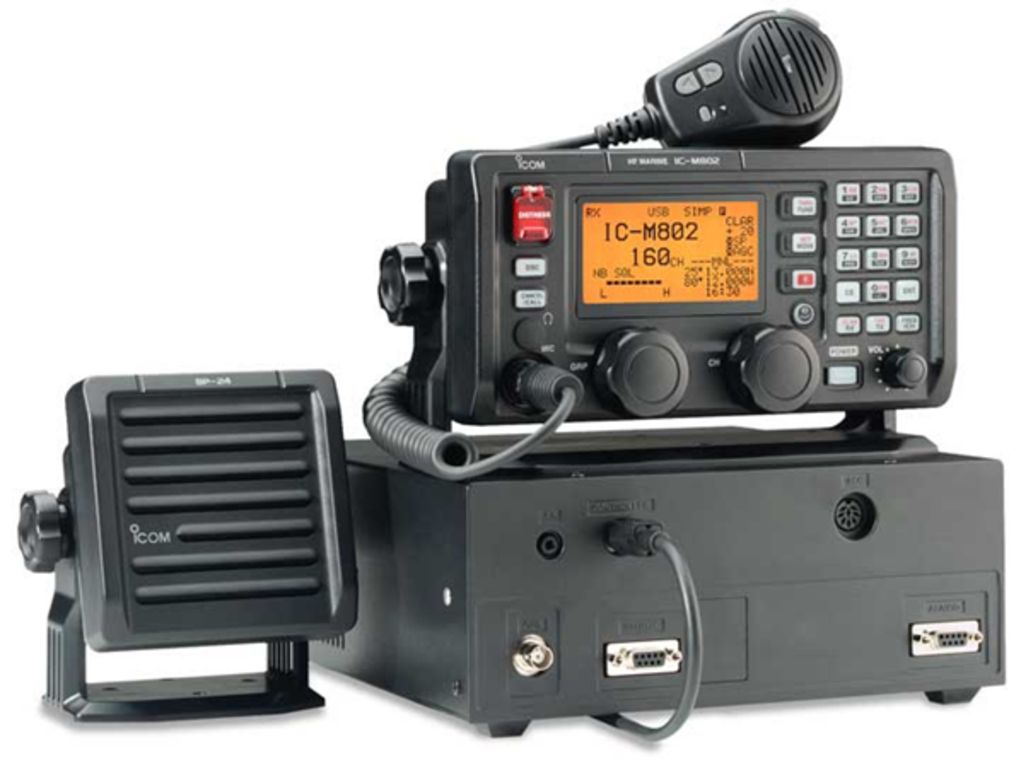
Amateur Radio (Ham Radio)
Long range wireless communication system
Doesn't need a backhaul link
used mostly for hobby, about ~6,000,000 users around world
Good for broadcast-type emergency communication
But, very low popularity, not for mobile users
In 88 Flood, it took Taiwanese government:
7 days to set up the first amateur radio station
Another two weeks to set up approximately one dozen additional stations
Too few and too late
Tue Dec 1 00:43:48 CST 2015
Untitled Document
Emergency Mobile Base Stations (Cell-On-Wheel)
Too heavy to be airdropped -
Too expensive, not affordable in large scale
Shipping from abroad is too late for Golden 72 Hour Mission
Tue Dec 1 00:43:49 CST 2015
Untitled Document
Trunking Radio
Project 25 (P25),
a standard of Association of Public-Safety Communications Officials International
TETRA,
a standard of European Telecommunications Standards Institute (ETSI)
Too expensive, not affordable in large scale
Need special training, for professional rescue squads only
Too heavy to be airdropped
Tue Dec 1 00:43:49 CST 2015
Untitled Document
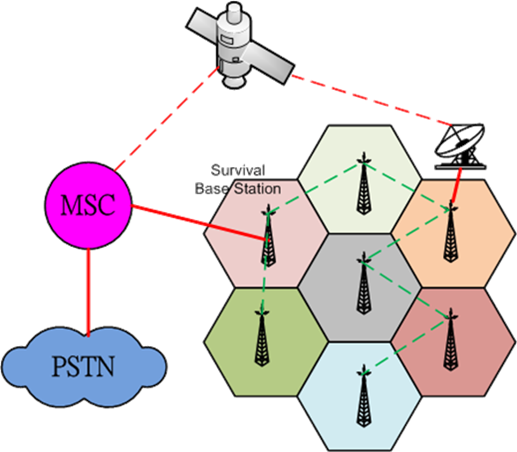
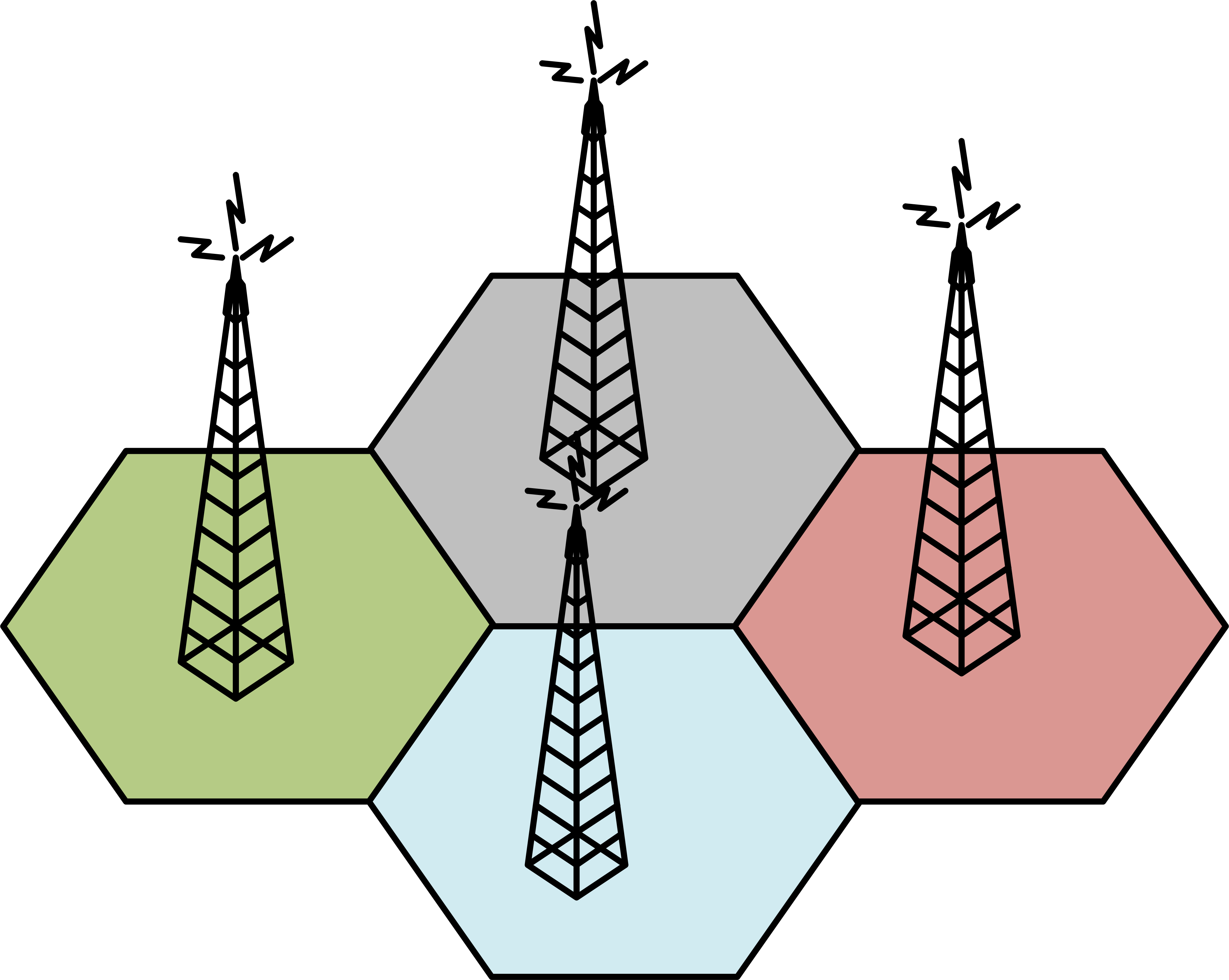
Voluntary MANET
Use volunteers' laptops to construct a MANET
Laptops and smart phones are very popular - Hardware Locally available
Connecting isolated BSs to survival BSs using multi-hop long-range
wireless links to restore part of cellular network
functionality
Low cost large scale solutions
Cell phones are very popular and "sticky" -- no extra terminal expense
Reuse disrupted base stations
Very low per user cost
Very low deployment cost
0p
0
Tue Dec 1 00:43:49 CST 2015
Untitled Document
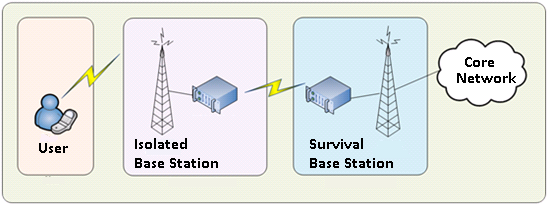
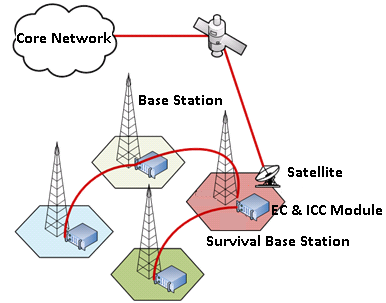
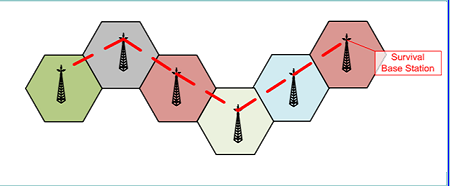
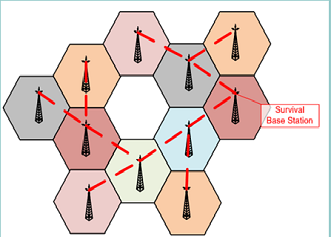
CCN Architecture
Survival BS
Isolated BS
Contingency Link
CCN Network
Tue Dec 1 00:43:49 CST 2015
Untitled Document
Phased Deployment Procedure
Before Disaster Event
Stocking inexpensive light-weight Contingency Recover
Packages (CRP) that
contains portable power generators, fuel, and
contingency link equipments in the national disaster
response center and/or cellular operators;
(Contingency link can be made of anything from microwave,
long range WiFi, WiMAX, or even satellite);
On Disaster Event
1. Assessment Phase
Collect disaster info and assess scale of disaster
0p
0p
0
2. Planning Phase
topology design, deployment scheduling, admission policy, etc.
3. Deployment Phase
(1) Delivering CRP to the selected based stations by airdrop, helicopter, or any transportation means.
(2) Creating an overlay network, (CCN), by connecting recovered base stations (perhaps owned by different operators) together using wireless contingency links in peer-to-peer fashion.
4. Operation Phase
Tue Dec 1 00:43:49 CST 2015
Untitled Document
Reuse Intact Base Stations
(1) the topology of original cellular network is usually well
designed with relatively uniform distribution in geographical
sense, which makes itself a good topology for CCN;
(2) each base
station is usually located at relatively high places
such that
connecting itself to its neighboring base stations is unlikely
to encounter line-of-sight problem
(3) topology of a
cellular network is usually very stable such that some planning
tasks can be made in advance
(e.g. the determination of antenna directions)
(4) users can use their own cell phones for
emergency communication without any training.
Tue Dec 1 00:43:49 CST 2015
Untitled Document
Time of Use
CCN will be used in early hours of disaster when
external aids are not available
Cell Phone operators will fix their systems gradually
CCN will be replaced by regular cellular networks gradually
Tue Dec 1 00:43:49 CST 2015
Untitled Document
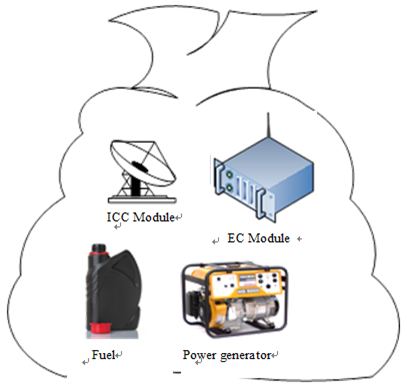
Contingency Recover Package
Power Module
Power generator, Fuel
0p
0
ICC Module (Inter-cell Communication Module)
Transceiver, Antenna, Interface to EC Module, Network software
EC Module (Emulated Controller Module)
Acting as a virtual backhaul to the base station Also, support intra communication functionalities
Satellite Communication Module (Optional)
Depending on the available resources, some number of
CRPs can be previously stored in the national disaster
response center and transported via helicopters to the
selected stations to construct CCN rapidly.
Tue Dec 1 00:43:50 CST 2015
Untitled Document
Research Issues
Communication mode design
Topology design
Deployment scheduling
Bandwidth allocation
Admission control
Automatic topology construction
Tue Dec 1 00:43:50 CST 2015
Untitled Document
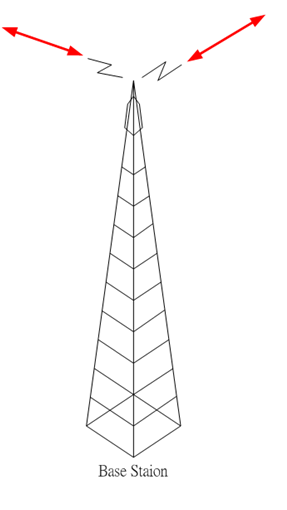
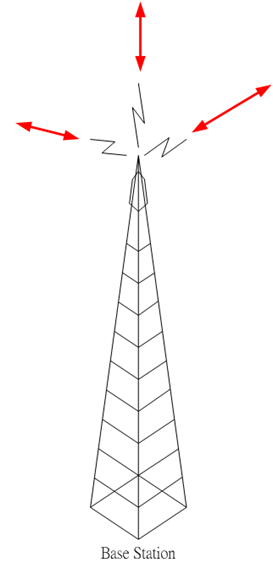
Design of Communication Modes
Ordinary Mode
Original POTS communication mode.
Walkie Talkie Mode
Use idle radio channels to support intra-BS broadcasting. Victims and disaster responders may not know each other. This mode is very useful.
CCN broadcase instructions to all users via SMS
Agency Mode
Support group Communication. The receiver of a phone call is usually a resource (agent), not a particular person. When a victim needs a doctor, he doesn't know how to contact the nearby doctor and receives medical treatment immediately. Agency mode enables victims and disaster responders to contact the one who is nearby and has ability to help them.
Need some way to disseminate the Agency Yellow page
(e.g. national dialing plan, or via CCN-119 or CCN-911)
Tue Dec 1 00:43:50 CST 2015
Untitled Document
Planing
Planing
Planing by combinatorial optimization
Optimization Objective (defined by the DR authority)
Maximize DR efficiency
Maximize user coverage X level of damage
Constraints
Number of Contingency Recovery Packages (CRP)
Deployment capacity (e.g. Helicopter)
Tree Depth or path length
Number of outgoing paths
Deployment Capacity (e.g. Helicopter)
Tue Dec 1 00:43:50 CST 2015
Untitled Document
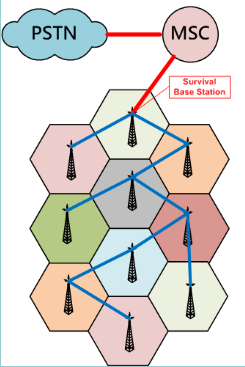
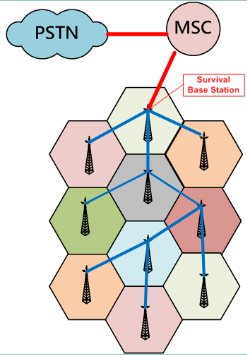
Contingency Link
2-Way
3-Way
Tue Dec 1 00:43:50 CST 2015
Untitled Document
Network Topology Design
Max Hop = 6
Max Hop = 4
Problem
Description
Pros
Cons
Simple Network Topology
All base stations belong to one single operator
Simple
Low compatibility problem (CDMA vs GSM vs TDMA vs ..)
Volunerable to single link failure
Cross Network Topology
use BS of multiple operators
Higher connectivity
More complicated singling
More compatibility problems
Multi-path Network
Some critical nodes demand multiple path
Higher availability
Performance trad-off
Tue Dec 1 00:43:50 CST 2015
Untitled Document
Deployment Scheduling
Transportation capacity may be very limited
Scheduling of CCN deployment order according to the
demand of disaster response operation becomes an important
issue
We model the CCN Deployment Scheduling Problem
into a combinatorial optimization problem aiming to
maximize disaster operation efficiency
Tue Dec 1 00:43:51 CST 2015
Untitled Document
Bandwidth Allocation
Bandwidth to be shared
External link of Survival node
Inter-BS wireless links
Radio channels of BS
Prioritized Sharing of External Link
1. Control signal
2. Ordinary Mode traffic
Prioritized sharing of inter-BS wireless links and
radio channels
1. Control signal
2. Ordinary Mode traffic (need external link)
3. Agency Mode traffic
Tue Dec 1 00:43:51 CST 2015
Untitled Document
Multipath Topology Design
Multi-Path Network Topology Design
To enhance CCN availability by building redundant
paths to the selected critical areas
Combinatorial Optimization Model
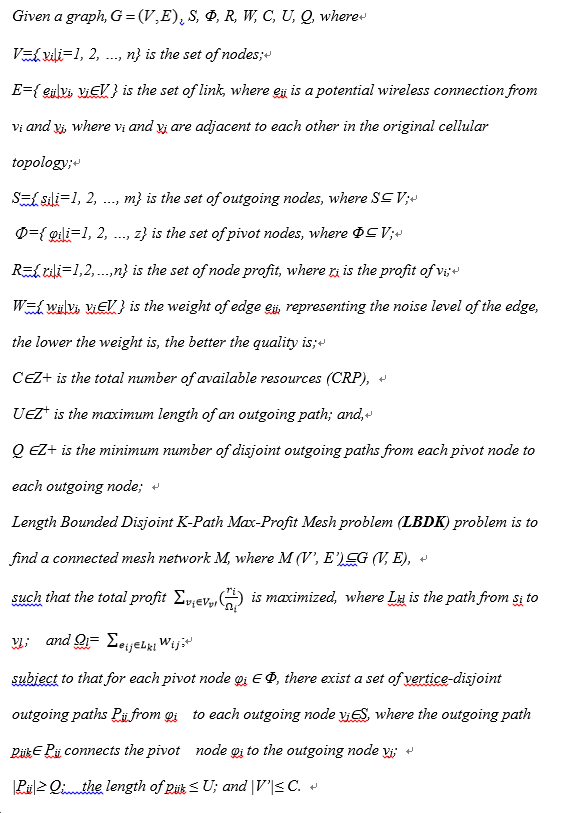
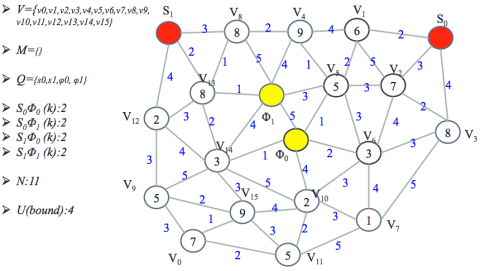
Length Bounded Disjoint K-Path Max-Profit Mesh problem (LBDK) problem
Tue Dec 1 00:43:51 CST 2015
Untitled Document
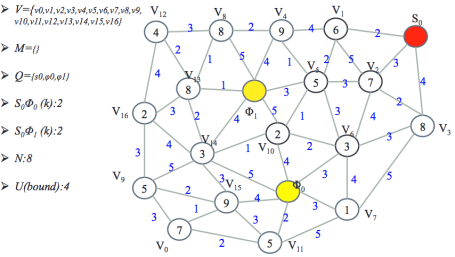
LBDK Problem Definition
LBDK is NP-Hard
Tue Dec 1 00:43:51 CST 2015
Untitled Document
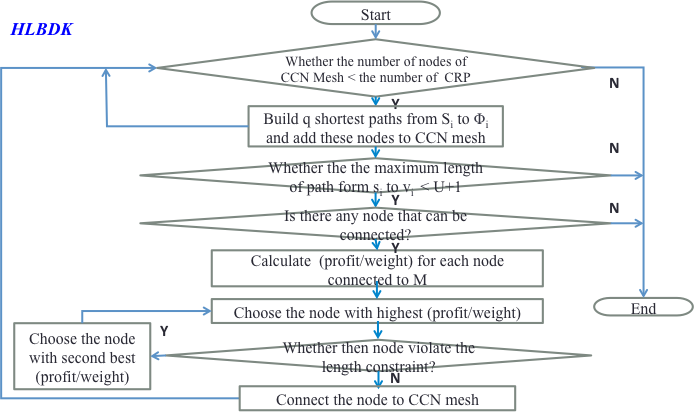
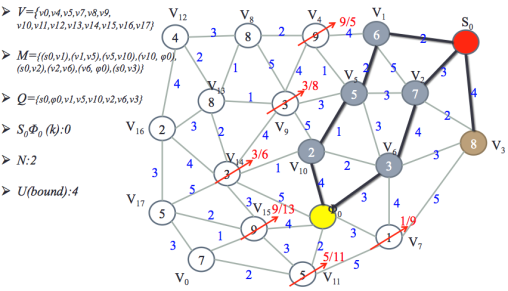
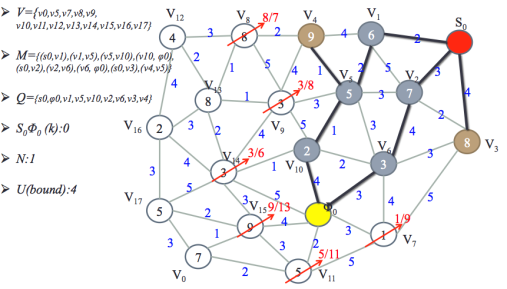
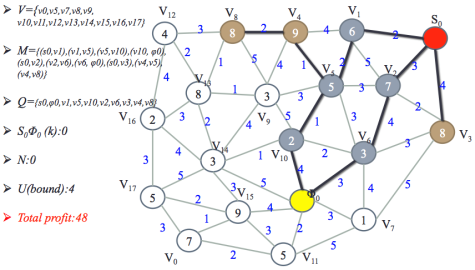
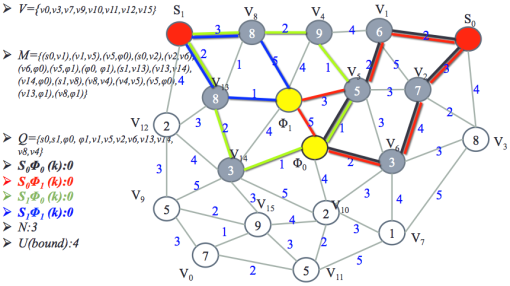
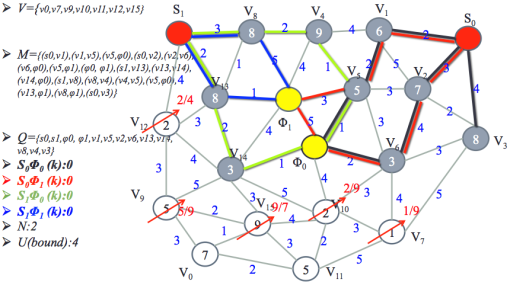
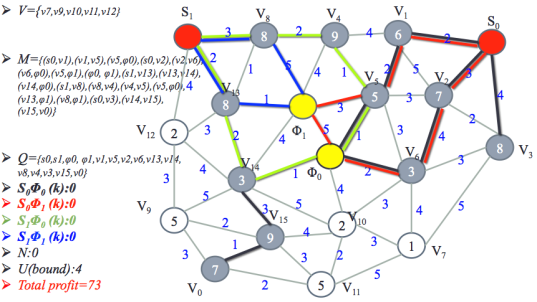
HLBDK Heuristic Algorithms
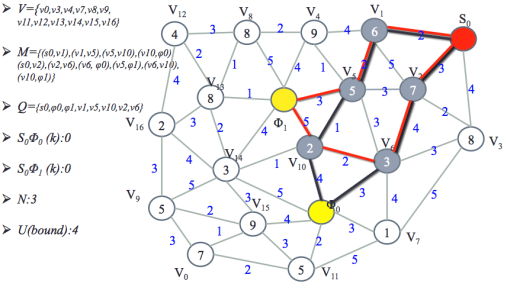
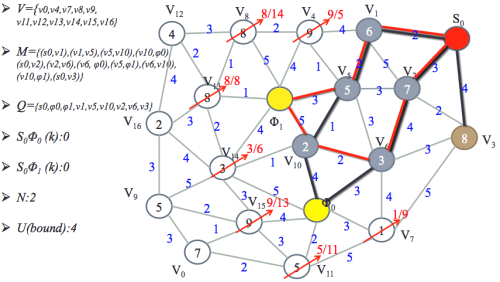
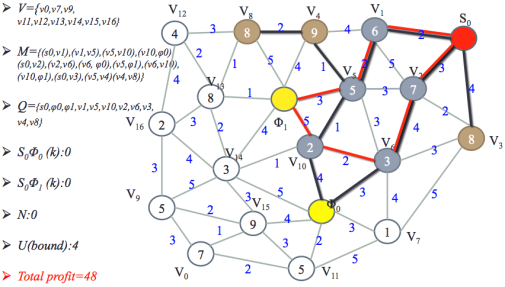
For each pivot node, find an outgoing path using shortest path algo to each of the outgoing node
Remove the links of the path from the graph
Repeat the above procedure iteratively until all resources exhausted
Tue Dec 1 00:43:51 CST 2015
Untitled Document
HLBDK Flow chart
Tue Dec 1 00:43:51 CST 2015
Untitled Document
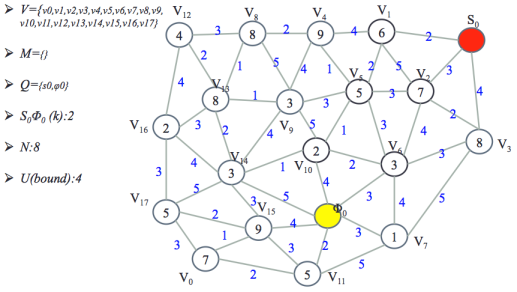
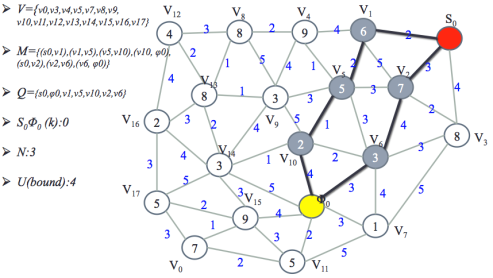
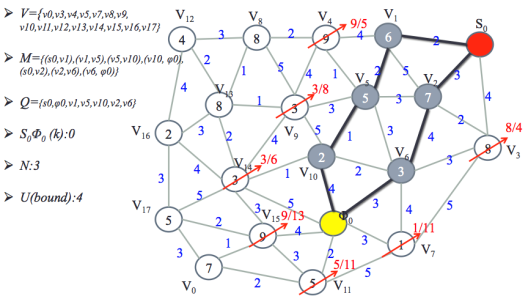
Examples
Tue Dec 1 00:43:51 CST 2015
Untitled Document
Performance Evaluation
Objective: To verify the models and the performance of the algorithms
Simulation Environment
PC
iMac
CPU
3.2 GHz Intel Core i5
OS
OS X Yosemite 10.10.1
Tue Dec 1 00:43:51 CST 2015
Untitled Document
Evaluation Metrics
Compared Algorithms
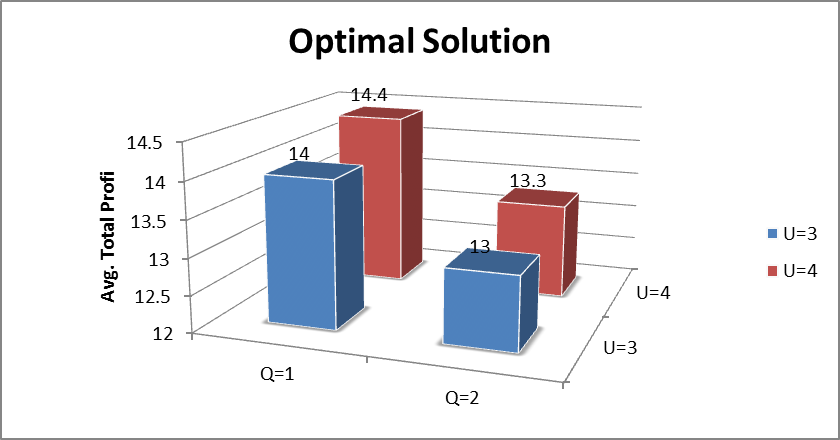
Optimum Solution (Small cases only)
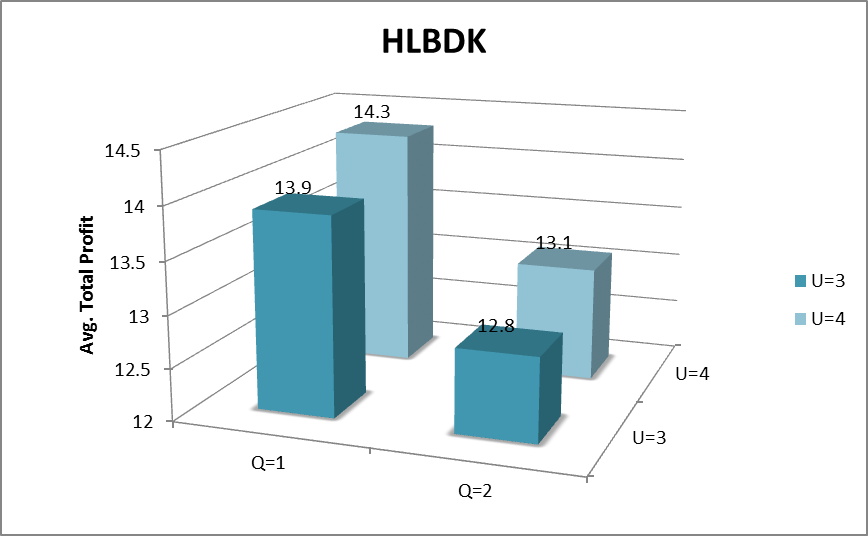
HLBDK
Evaluation Metrics
0p
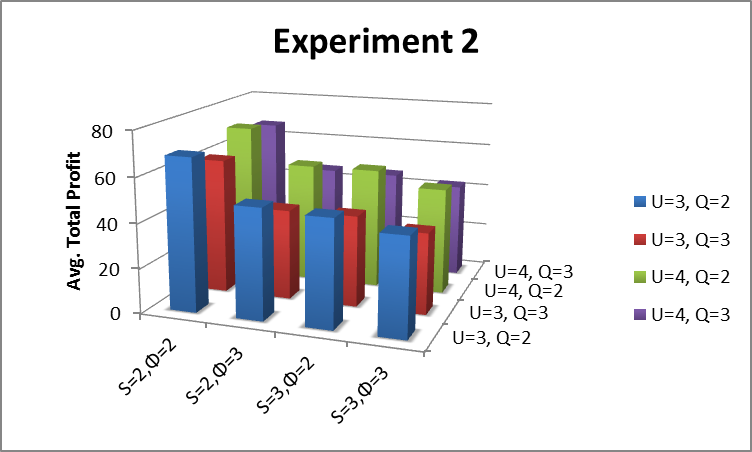
Total Profit
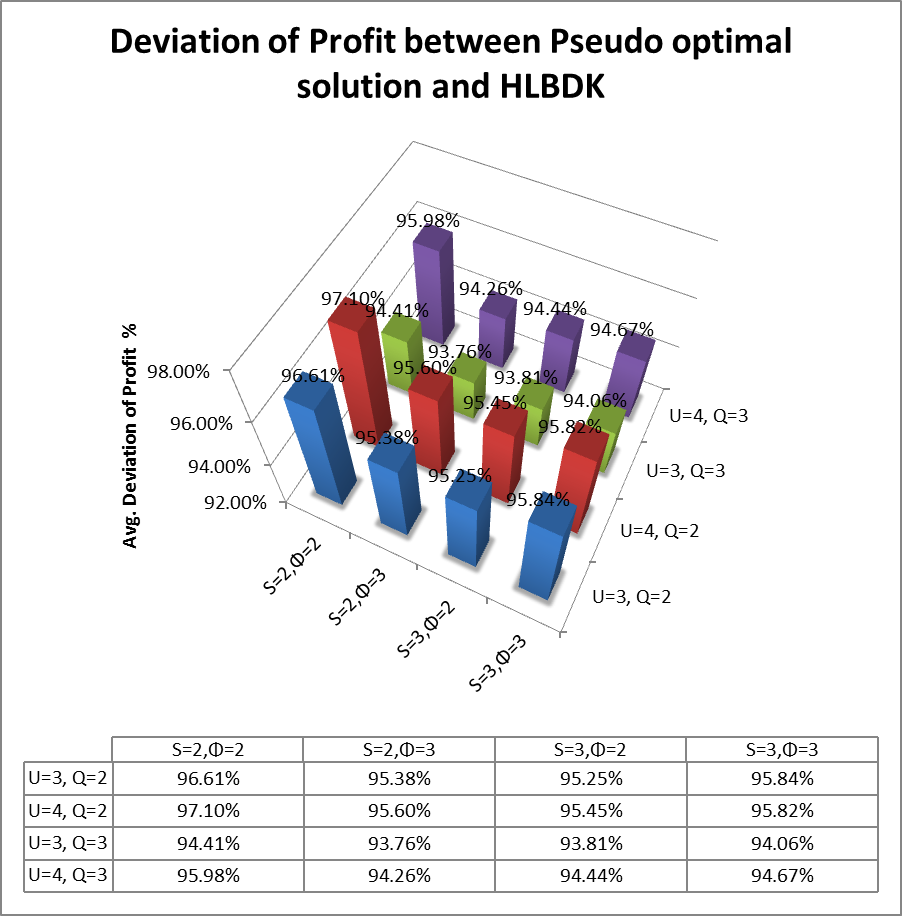
Optimal Deviation of Profit
0
Pseudo Deviation of Profit
0
Availability
0
0p
For large scale cases, the best among 1 millions solutions is set to pseudo optimum solution
Tue Dec 1 00:43:51 CST 2015
Untitled Document
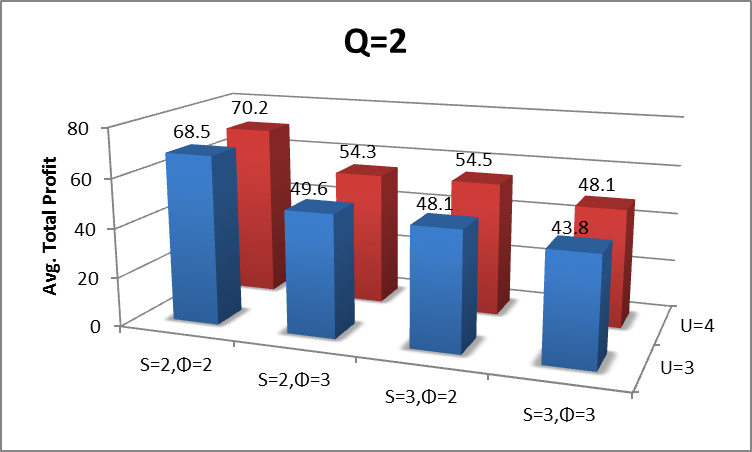
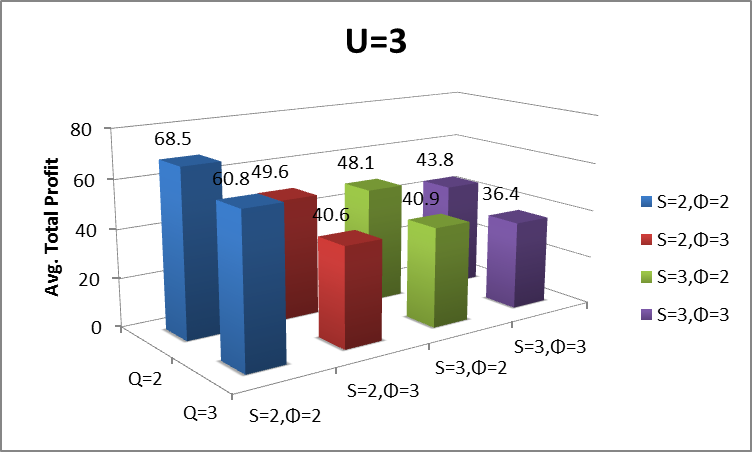
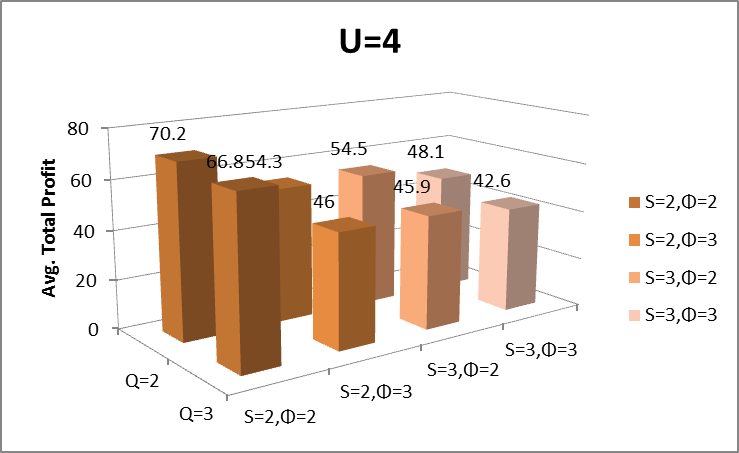
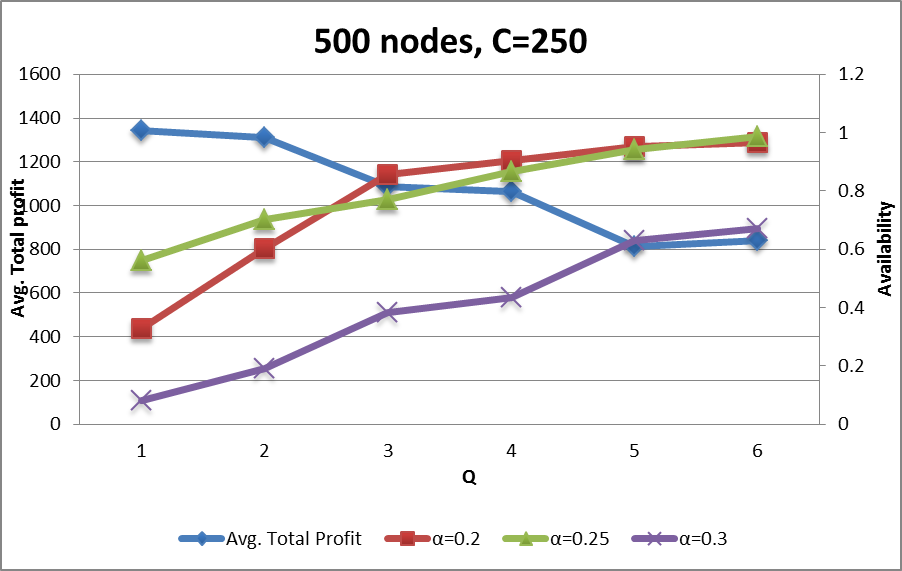
Experiment 1
Tue Dec 1 00:43:52 CST 2015
Untitled Document
Experiment 2
Tue Dec 1 00:43:52 CST 2015
Untitled Document
Experiment 3
Tue Dec 1 00:43:52 CST 2015
Untitled Document
Concluding Remarks
Communication systems are very critical, but very vulnerable in a large scale natural disaster
Need a large-scale, low-cost, and rapid-deployment
contingency communication system to suppot large number of disorganized users
Little resource has been allocated to the related research
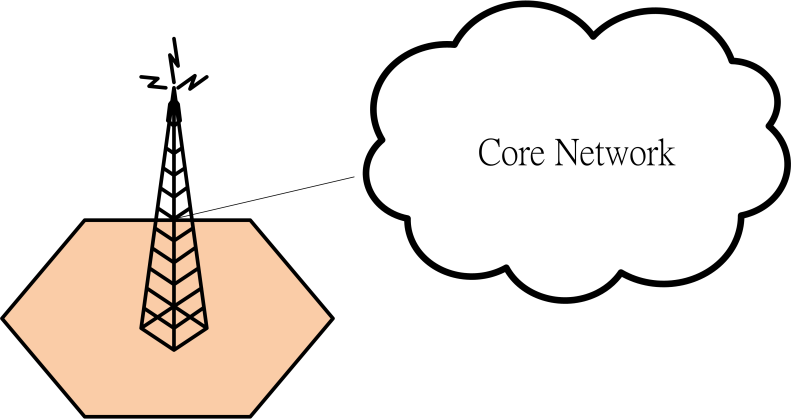
CCN is proposed to reuse cell towers and cell phones






 0p
0p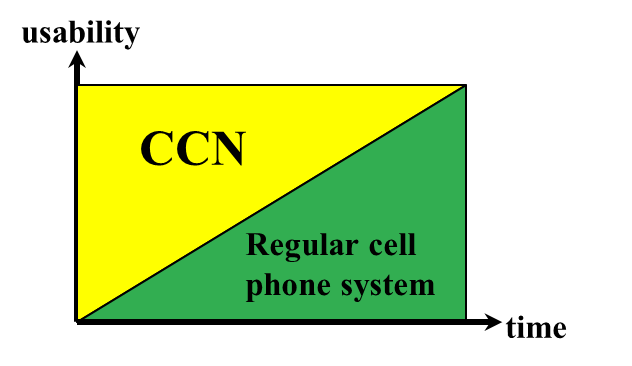



 0p
0p